
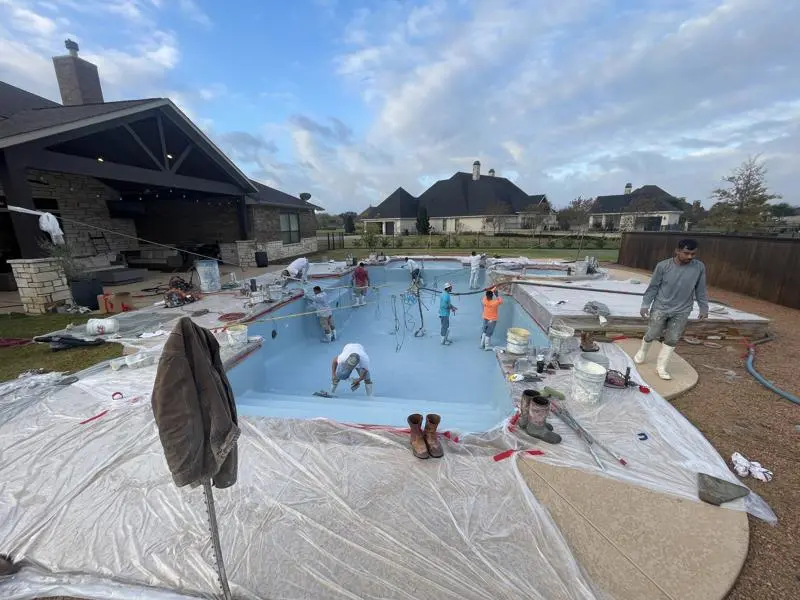

Understanding Pool Replastering and Resurfacing
As summer approaches, homeowners begin to prepare their outdoor spaces for gatherings, relaxation, and fun. For those with pools, this means considering the current state of their swimming pool’s surface. Pool replastering and resurfacing are two essential maintenance tasks that can dramatically improve both the appearance and function of your pool. At Backyard-A-Gan, these services are designed to ensure your pool is summer-ready, safe, and visually appealing.
What Is Pool Replastering?
Pool replastering involves removing the old, worn-out plaster surface from your pool’s interior and applying a fresh coat of plaster. This process not only restores the pool’s smooth finish but also addresses any cracks, stains, or rough areas that may have developed over time. Replastering helps extend the life of your pool and enhances the overall swimming experience.
What Is Pool Resurfacing?
While replastering is a form of resurfacing, pool resurfacing encompasses a broader range of techniques and materials. Resurfacing may involve plaster, but it can also include upgrading to more durable and decorative finishes such as quartz, pebble, or tile. Each resurfacing option offers unique benefits and aesthetics, allowing homeowners to customize their pool to match their style and usage needs.
Why Early Spring Is the Great Time to Replaster and Resurface Your Pool
Many pool owners wonder when the best time is to schedule pool replastering and resurfacing. The months leading up to summer present the ideal window for these projects. Here’s why:
- Optimal Weather Conditions: Spring offers moderate temperatures and lower humidity, creating perfect conditions for plaster and other resurfacing materials to cure properly.
- Availability of Pool Professionals: Scheduling before the summer rush means easier access to qualified technicians, such as those at Backyard-A-Gan’s pool resurfacing experts.
- Ready for Summer Fun: Completing the work early ensures your pool is ready for use as soon as the weather warms up.
- Preventing Further Damage: Addressing surface issues now can prevent minor problems from turning into costly repairs later in the season.
Signs Your Pool Needs Replastering or Resurfacing
Recognizing when your pool needs attention is key to maintaining its value and functionality. Here are some common indicators:
- Rough or Pitted Surfaces: Swimmers may notice discomfort or snagged swimsuits on abrasive areas.
- Visible Cracks: Cracks in the plaster can lead to leaks or structural issues if left untreated.
- Stains or Discoloration: Persistent stains are not only unsightly but can indicate underlying material breakdown.
- Chalking or Flaking: If the plaster appears to be dusty or flakes off to the touch, it’s losing integrity.
- Loss of Water: Unexplained drops in water level may be due to surface leaks.
The Pool Replastering and Resurfacing Process Explained
Understanding what to expect during a pool replastering or resurfacing project can help you plan and budget effectively. Here’s an overview of the typical process:
- Initial Assessment: A pool professional inspects your pool to evaluate the condition and recommend the best resurfacing options.
- Draining the Pool: The pool is safely drained to expose the interior surface.
- Surface Preparation: Old plaster is chipped away, and the surface is cleaned to ensure proper adhesion of new materials.
- Repair Work: Cracks and structural issues are addressed before new surfacing is applied.
- Application of New Surface: Whether plaster, pebble, or tile, the new finish is expertly applied.
- Curing and Refilling: The surface is allowed to cure, and the pool is refilled and balanced for safe swimming.
Pool Surface Options
| Surface Type | Appearance | Durability | Maintenance |
|---|---|---|---|
| White Plaster | Smooth, classic look | 5-10 years | Regular brushing, balanced water chemistry |
| Quartz Finish | Speckled, vibrant colors | 10-15 years | Low maintenance, resists staining |
| Pebble Finish | Textured, natural appearance | 15-20 years | Very low maintenance, highly durable |
| Tile | Customizable patterns | 20+ years | Easy to clean, long-lasting |
Benefits of Pool Replastering and Resurfacing Before Summer
There are several advantages to scheduling pool replastering and resurfacing before the busy summer months:
- Enhanced Safety: A smooth, even pool surface reduces the risk of scrapes and injuries.
- Improved Appearance: Fresh finishes restore your pool’s color and shine, boosting curb appeal.
- Long-Term Savings: Addressing minor issues now can help you avoid expensive repairs in the future.
- Increased Home Value: Well-maintained pools are attractive to potential buyers and can increase property value.
Choosing the Right Professional for Your Pool Project
Working with an experienced pool company is essential for successful results. Backyard-A-Gan provides a full range of pool services, including pool resurfacing and comprehensive pool company services in your area. Their team is skilled in handling projects of all sizes and complexities, ensuring quality workmanship and reliable timelines.
What to Look for in a Pool Company
- Experience: Years of experience and a portfolio of completed projects demonstrate reliability.
- Licensing and Insurance: Always choose a company that is properly licensed and insured.
- Material Options: A reputable pool company offers a variety of surface materials to fit your needs.
- Customer Reviews: Positive feedback from past clients can provide peace of mind.
The Cost of Pool Replastering and Resurfacing
The cost of pool replastering and resurfacing varies based on several factors, including pool size, chosen materials, and the extent of repairs needed. Here’s a general breakdown:
- Plaster: Typically the most affordable option, with prices depending on pool dimensions.
- Quartz and Pebble: These upgrades come at a higher initial cost but offer greater durability and lower ongoing maintenance.
- Tile: The most customizable and durable, but also the most expensive.
For a detailed, accurate quote, it’s best to consult directly with professionals like those at Backyard-A-Gan.
Frequently Asked Questions About Pool Replastering and Resurfacing
- How often should a pool be replastered?
Most pools require replastering every 7–10 years, depending on usage and water chemistry. - Can I swim in my pool immediately after resurfacing?
It’s recommended to wait until the new surface has fully cured and the water chemistry is balanced. Your pool professional will provide specific guidance. - What’s the difference between resurfacing and replastering?
Replastering refers specifically to applying a new plaster layer, while resurfacing can involve a variety of materials and finishes. - How long does the process take?
Most projects take between one and two weeks, depending on pool size and weather conditions.
Maintaining Your Pool After Replastering and Resurfacing
Once your pool has a new surface, proper maintenance will help preserve its appearance and functionality. Here are some tips:
- Test and balance water chemistry weekly.
- Brush the pool walls and floor regularly, especially in the first month after resurfacing.
- Maintain proper water levels to prevent surface damage.
- Schedule routine inspections with a trusted pool service provider like Backyard-A-Gan.
Why Choose Backyard-A-Gan for Pool Replastering and Resurfacing?
With a commitment to quality and customer satisfaction, Backyard-A-Gan is a preferred choice for pool owners seeking reliable pool resurfacing and a range of pool company services. Their experienced technicians use proven materials and methods to deliver long-lasting results, helping you make the most of your backyard oasis before the summer heat arrives.