
Lift Stations: The Basics
Lift stations are a critical component of modern wastewater management systems, especially in areas where gravity alone cannot efficiently transport sewage or stormwater. If you’ve ever wondered what you need to know about lift stations, Strictly Septic offers expert insight into their function, maintenance, and importance. This guide will help homeowners, property managers, and business owners understand how lift stations work and why professional maintenance is necessary for reliable wastewater management.
What is a Lift Station?
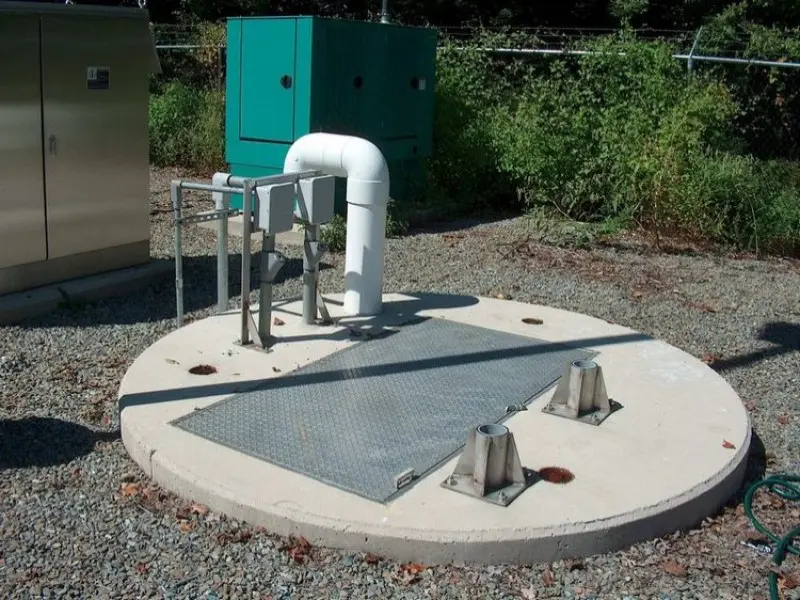
A lift station, sometimes called a pump station, is designed to move wastewater from lower to higher elevations. This is essential in locations where the natural slope of the land does not allow for gravity-fed flow. Instead, wastewater collects in a wet well and is then pumped out to a higher point, where it can continue its journey toward treatment facilities or municipal sewer systems.
Key Components of a Lift Station
- Wet Well: The underground pit that stores wastewater temporarily.
- Pumps: Mechanisms that move the wastewater from the wet well to the discharge point.
- Control Panel: The system that automates pump operation, monitors levels, and triggers alarms.
- Floats/Sensors: Devices that detect water levels and signal pumps to activate or deactivate.
- Alarm System: Alerts users to high water levels or equipment malfunctions.
Why Are Lift Stations Necessary?
Lift stations serve a vital role in areas where gravity-based flow is impossible due to topography. Without them, wastewater would stagnate, leading to health hazards and environmental concerns. Lift stations enable efficient, sanitary movement of waste, preventing backups and protecting both property and public health.
Common Applications
- Residential subdivisions in low-lying areas
- Commercial and industrial parks
- Municipal sewer networks
- Remote or rural properties with uneven terrain
How Do Lift Stations Work?
The basic operation of a lift station involves collecting wastewater in a wet well until it reaches a certain level. At this point, sensors or floats activate the pumps, which then transfer the wastewater to a higher elevation through pressurized pipes. Once the water level drops to a preset point, the pumps turn off. This cycle repeats as needed, ensuring continuous flow.
Step-by-Step Process
- Wastewater flows into the wet well from homes or businesses.
- Level sensors detect when the wet well is full.
- Pumps activate, pushing wastewater up to the next stage of the sewer system.
- Pumps shut off when the water level lowers.
- Alarm system notifies operators of any issues, such as pump failure or overflow.
Maintenance Requirements for Lift Stations
Proper lift station maintenance is essential for reliable operation and to prevent costly breakdowns. Strictly Septic recommends regular inspections, cleaning, and component checks to keep systems running smoothly. Maintenance schedules vary depending on usage and local regulations, but neglecting this infrastructure can result in backups, overflows, and environmental contamination.
Routine Maintenance Tasks
- Inspecting and cleaning wet wells to remove debris and grease
- Testing pumps and control panels for proper function
- Checking alarm systems and backup power supplies
- Lubricating moving parts as needed
- Verifying float switches and sensors
Signs Your Lift Station Needs Attention
- Frequent alarms or pump cycling
- Unusual odors near the lift station
- Slow drainage or frequent backups
- Visible leaks or wet spots around the wet well
- Unexplained increases in energy usage
Benefits of Professional Lift Station Services
Relying on experienced professionals like Strictly Septic’s lift station service team ensures your system receives thorough inspections and prompt repairs. Professionals use specialized equipment to diagnose issues, clean components, and make recommendations for upgrades or replacements when necessary.
Advantages of Scheduled Service
- Prevents expensive emergency repairs
- Extends the lifespan of pumps and controls
- Ensures compliance with local health and environmental regulations
- Reduces risk of system failure during storms or heavy usage
Common Lift Station Problems
Even well-maintained lift stations can encounter problems. Being aware of these common issues can help you act quickly and minimize damage.
| Problem | Possible Cause | Solution |
|---|---|---|
| Pump Failure | Clogs, electrical faults, worn components | Professional repair or replacement |
| High Water Alarm | Float switch malfunction, pump not activating | Inspect sensors, repair wiring, clean wet well |
| Odors | Accumulated grease, debris, or stagnant water | Thorough cleaning and routine maintenance |
| Frequent Cycling | Improper float settings, undersized wet well | Adjust controls, consider system upgrade |
How to Choose a Lift Station Service Provider
When selecting a company for lift station installation, maintenance, or repair, look for providers with experience, proper licensing, and a reputation for reliability. Strictly Septic, for example, offers a full range of septic and lift station services tailored to both residential and commercial clients.
Questions to Ask Prospective Providers
- Are your technicians certified for lift station work?
- What is your emergency response time?
- Do you offer scheduled maintenance plans?
- Can you provide references from similar projects?
Frequently Asked Questions About Lift Stations
How often should a lift station be serviced?
Service frequency depends on usage, system size, and local requirements. Most systems benefit from quarterly or semi-annual inspections and cleaning. Strictly Septic can help you develop a maintenance schedule that fits your needs.
What are the signs of lift station trouble?
Common warning signs include frequent alarms, strange noises, foul odors, or slow drainage. If you notice any of these issues, contact a professional immediately to avoid larger problems.
Can I inspect my lift station myself?
While property owners can visually inspect the area for obvious signs of trouble, in-depth inspections and repairs should be left to qualified professionals to ensure safety and compliance.
What should I do if my lift station alarm sounds?
If your alarm activates, reduce water usage and contact a professional service provider right away. Quick response can prevent backups and protect your property.
Modern Innovations in Lift Station Technology
Advancements in lift station technology have improved efficiency, reliability, and ease of maintenance. Modern control panels offer remote monitoring, automatic notifications, and enhanced energy efficiency. Variable frequency drive (VFD) pumps adjust speed based on demand, reducing wear and saving on energy costs. Strictly Septic stays up-to-date with the latest industry developments to provide clients with the most effective solutions available.
Lift Stations and Environmental Compliance
Lift stations must comply with local, state, and federal environmental regulations. Properly functioning systems prevent untreated wastewater from entering the environment, protecting water sources and public health. Regular maintenance and prompt repairs help ensure compliance and avoid fines or penalties.
Strictly Septic: Your Partner in Lift Station Services
Strictly Septic has years of experience providing comprehensive lift station services, from installation and upgrades to ongoing maintenance and emergency repairs. Their team is committed to delivering reliable, efficient solutions for both residential and commercial clients. Explore their full range of septic company services for more information.
Lift Station Service Checklist
- Inspect wet well for debris and buildup
- Test pumps and backup power systems
- Verify operation of floats and level sensors
- Review alarm and control panel functions
- Document maintenance activities and findings
Contact Strictly Septic for Expert Lift Station Support
If you’re facing lift station issues or want to schedule preventive maintenance, contact Strictly Septic’s team for prompt, professional service. Their expertise ensures your lift station operates smoothly, protecting your property and the environment.