When you hire By Builder Home Inspections, our mission is simple: to give you clarity, confidence, and peace of mind about your property. Many people assume a home “just works,” or that issues will surface naturally over time. But the truth is that hidden defects, safety issues, and maintenance needs often lurk unseen — and a qualified inspector helps you uncover them before they become costly problems.
In this article, we’ll walk you through:
-
The role and responsibilities of a home inspector
-
The step-by-step inspection process
-
Why using a professional inspector makes a difference
-
How our particular services at By Builder Home Inspections offer value and protection
The Role of a Home Inspector: What We Check & Why
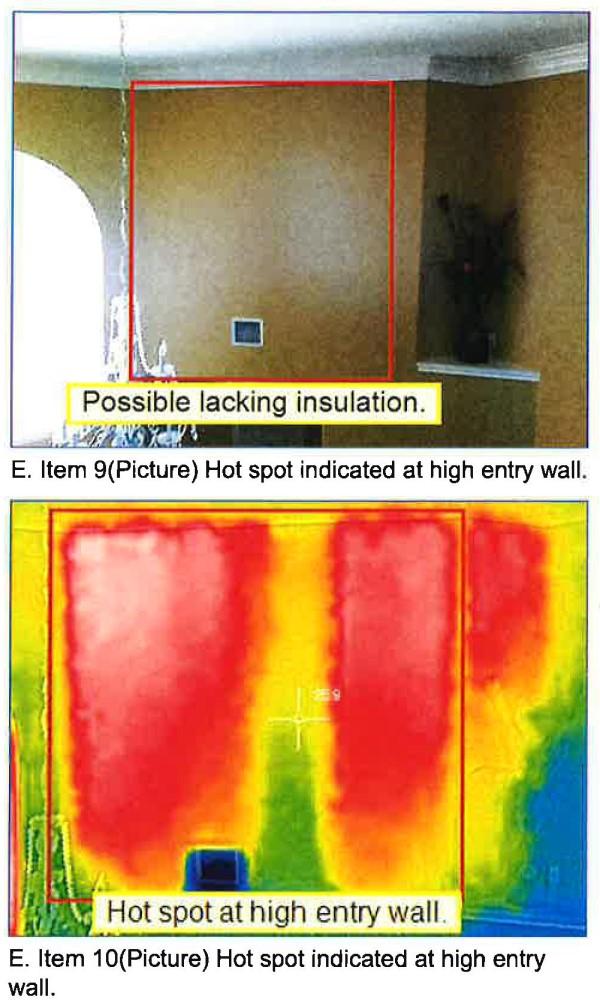
At its core, a home inspector provides a non-invasive evaluation of a home or building to assess its condition at a given point in time. Below is a breakdown of what we examine, and why each area is critical to your peace of mind and financial security.
Structural Components & Foundation
-
Foundation, footings, and slab: We check for cracks, signs of settlement or shifting, and water infiltration.
-
Load-bearing walls, beams, and columns: We assess whether any structural elements show signs of stress, sagging, or deterioration.
-
Framing and roof structure: We inspect rafters, trusses, sheathing, and connections for signs of sagging, rot, or damage.
Why it matters: A compromised foundation or framing issue is one of the most serious and costly problems a homeowner can face. Discovering such concerns early allows you to negotiate repairs or walk away before financial loss.
Exterior Envelope
-
Roofing system: We check for missing or damaged shingles, leaks, flashing integrity, signs of ponding, and the condition of gutters and downspouts.
-
Siding, stucco, cladding, and trim: We look for cracks, water damage, deterioration, or improper installation that could allow moisture intrusion.
-
Windows, doors, and exterior trim: We test for operation, seal integrity, and signs of rot or damage.
-
Grading, drainage, and site water flow: We verify that water flows away from the building and doesn’t pool near foundations or under slabs.
Why it matters: A home must be able to keep the elements out. Even a small leak, left unchecked, can lead to mold growth, structural rot, or interior damage over time.
Interior Systems & Components
-
Electrical: Panel condition, branch wiring, grounding, GFCIs, and overall safety.
-
Plumbing: We test for leaks, check water pressure, inspect pipe materials, drainage, traps, and sewer connections.
-
HVAC (heating, ventilation, air conditioning): Functionality, age, potential issues, duct leakage, thermostat operation, and maintenance recommendations.
-
Insulation & Ventilation: We verify adequate insulation in attics and walls (where accessible) and evaluate air flow, exhaust ventilation, and moisture control.
-
Interior elements: Floors, walls, ceilings, stairways, guardrails, built-ins, and fireplaces for condition and safety.
Why it matters: These systems are the day-to-day lifeblood of your home. Electrical or plumbing failures are disruptive (or dangerous); HVAC issues reduce comfort and efficiency; poor insulation or ventilation causes energy waste or moisture problems.
Specialty & Ancillary Inspections
-
Crawlspaces, basements, and attics: Evaluate moisture, pests, ventilation, insulation condition, and structural supports.
-
Fireplace, chimney, and flues: Check lining, masonry, damper, clearances, and signs of damage.
-
Termites, pests, mold, or asbestos: While not always included, we often recommend or coordinate with specialists for these high-risk items.
-
Wind mitigation inspections (especially in Florida): In coastal or storm-prone areas, we assess features like roof-to-wall connections, hurricane straps, secondary barriers, and provide documentation for insurance incentives.
During every inspection, we document what is present at the time of inspection and note observed defects, safety issues, or maintenance concerns. A quality inspector does not guarantee future performance or lifespan—but gives you a snapshot and guidance to act wisely.
The Inspection Process: What to Expect with By Builder Home Inspections
We pride ourselves on a transparent and client-focused workflow. Here’s how we handle each inspection engagement:
-
Pre-inspection planning and client briefing
Before arriving, we review the property details (age, size, systems, any prior reports). We encourage clients to join us during the inspection so we can walk together and explain in real time. -
On-site walkthrough and systematic evaluation
We methodically move from exterior to interior, from top to bottom, checking each system. As we inspect, we take thorough notes and photographs of defects or key observations. -
Live discussion of findings
At the end of the physical walk, we review with you the major findings in person, pointing out areas of concern, safety issues, recommended repairs, and any items to monitor. -
Detailed written report
Within 24 hours (or faster when feasible), we deliver a well-organized, illustrated report that includes:-
A summary of major findings
-
Photographs with captions
-
Descriptions of issues and their relative severity
-
Recommended repairs, maintenance actions, or specialist referrals
-
Estimations of cost ranges (when possible)
-
Exclusions, disclaimers, and limitations
-
-
Post-inspection consultation
Clients can ask follow-up questions. We may help you negotiate repair language, interpret contractor bids, or schedule re-inspections if needed.
We provide a wide array of inspection types. You can view our full offerings here: Inspection Services. For further details on us, our philosophy, and how we do what we do, please visit our homepage: By Builder Home Inspections.
Why You Should Hire a Professional Home Inspector (Not DIY or an Amateur)
There are plenty of reasons why a professional home inspection matters. Here are the top advantages when you choose a skilled, objective, licensed inspector like us.
Unbiased, Independent Evaluation
A true home inspector has no vested interest in the sale, repairs, or construction. Our goal is to provide you with an impartial assessment. Unlike a handyman, contractor, or builder (who may profit from finding work), we simply report on condition and risk.
Experience & Technical Knowledge
A seasoned inspector recognizes subtle clues that signal deeper problems: shifting cracks, hidden water stains, seasonal movement, HVAC back-pressure—these are things learned through inspecting hundreds of homes. We bring that expertise to your specific properties.
Safety & Liability Protection
Inspectors are trained to spot electrical hazards, gas risks, structural dangers, and fire risks that many buyers would never notice. Identifying safety defects before purchase or occupancy can prevent injuries, damage, and liabilities down the road.
Negotiation Leverage & Repair Guidance
A well-documented inspection report is a critical tool for negotiations. You can ask a seller to correct issues or grant credit. You also avoid surprises and budget accordingly by understanding defects ahead of time.
Long-Term Savings & Risk Management
Even relatively small defects—like flashing that’s failing, or a clogged French drain—can escalate into larger, more expensive problems if ignored. A professional inspection helps you plan maintenance, prioritize repairs, and avoid catastrophic failures.
Peace of Mind & Confidence
Buying or building a home is likely one of the largest investments anyone makes. Knowing that your property has been thoroughly examined gives emotional comfort and confidence in your decision.
Compliance, Insurance & Certifications
In some regions and transactions, inspections are required (for insurance, wind mitigation discounts, county recertification, or FHA/VA underwriting). A professional inspector knows local code, reporting formats, and required documentation. In Florida, for example, windstorm inspections often qualify homeowners for insurance premium discounts.
Common Myths & Misconceptions
It’s natural for clients to have misconceptions. Here are a few we often correct:
| Myth | Reality |
|---|---|
| “A brand new home doesn’t need inspection.” | New construction can still have defects, poor workmanship, or code oversights. Independent inspections are critical. |
| “Inspectors guarantee the house will last forever.” | No. We evaluate present condition; we do not guarantee future performance. |
| “The inspection will find everything.” | Inspections are non-invasive — we inspect what is visible and safely accessible. Hidden defects behind walls or under concrete slabs may require specialists. |
| “Any handyman can do it cheaper.” | A low-cost inspector may simply issue a checklist, not notice systemic issues. Paying for experience and depth is wise. |
| “We don’t need to attend the inspection.” | Being present allows you to ask questions, see issues firsthand, and get a better understanding of your future property. |
How By Builder Home Inspections Stands Out
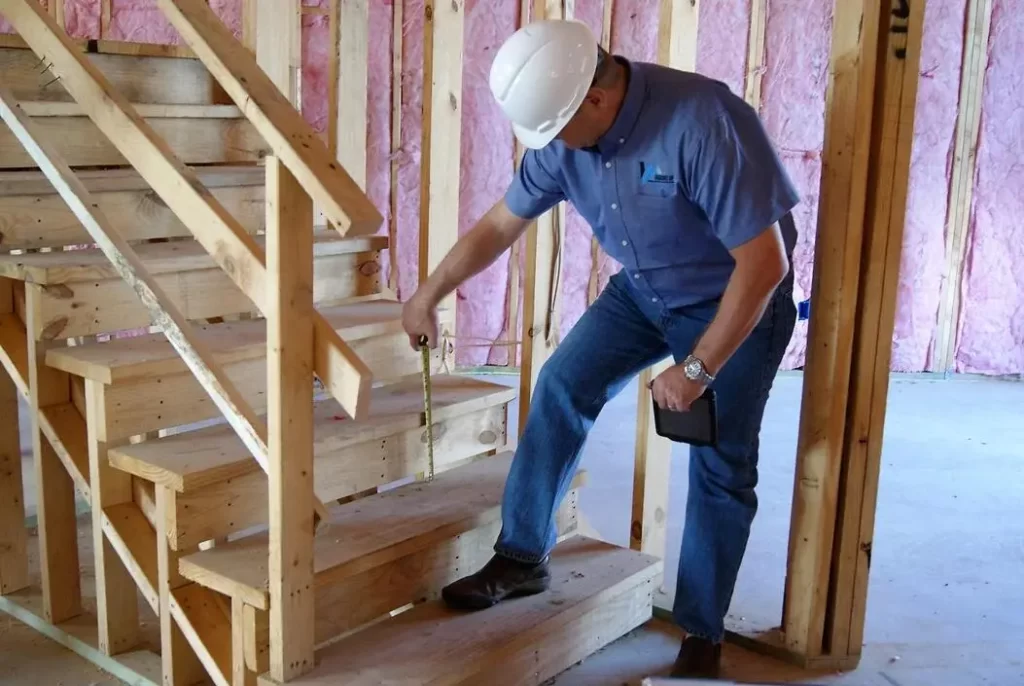
We believe in setting a high standard in the industry. Here’s what makes us a superior choice:
-
Certified, experienced inspectors — Each of our inspectors is licensed and continuously trained to keep pace with evolving building science, materials, and code.
-
Comprehensive, customizable services — Whether you’re buying, selling, building new, or requesting specialty inspections, we tailor the engagement to your needs. Visit our Inspection Services page to explore.
-
Fast, clear reporting — You’ll get a concise summary plus a full illustrated report (with photos and recommendations), typically within one business day.
-
Client education & support — We explain findings clearly, answer your questions, and help you interpret repair bids or scope.
-
Strong professional ethics — We maintain independence, transparency, and clarity. We won’t upsell you on unnecessary services, and we always honor disclosures and limitations.
-
Local knowledge & hurricane readiness — Because we operate in Florida, we understand climate challenges like wind loads, rain intrusion, humidity, and coastal corrosion. Our inspections pay attention to area-specific vulnerabilities.
How Professional Inspection Helps in Different Scenarios
Let’s look at common real-world use cases and how a professional inspection delivers tangible benefit:
Home Buyer Scenario
As a buyer, you’re under pressure to close quickly and might rely on seller disclosures or visual cues. But hidden defects (wiring, drainage, structural cracks) might not be obvious.
A professional inspector reveals these, providing you a basis to negotiate, require repairs, or withdraw. Without that insight, you risk inheriting unknown liabilities.
Home Seller / Pre-Listing Inspection
Sellers often order an inspection ahead of listing. This gives you time to proactively fix issues and increase buyer confidence. It helps reduce renegotiation or surprises during buyer inspections.
New Construction / Builder Commissioning
Just because a home is brand new doesn’t mean it’s flawless. We perform “phase inspections” (pre-drywall, roof-to-frame, final walkthrough) to catch mistakes early. This ensures your builder corrects issues before occupancy, avoiding costly callbacks.
Warranty & 11th-Month Inspections
Most new-home warranties last one year. A late-stage inspection allows you to identify deficiencies before the warranty expires. We document defects so the builder has responsibility to correct them under warranty.
Insurance & Wind Mitigation
Insurance companies often require or reward wind mitigation features such as hurricane straps, secondary barriers, or roof attachments. A qualified inspection can produce the documentation needed for premium discounts or compliance.
Periodic Maintenance Inspections
Even once you own the home, periodic “checkups” every few years help you monitor aging systems like roof flashing, HVAC performance, and moisture intrusion. These inspections preserve value and prevent costly surprises.
Tips for Getting the Most from Your Inspection
-
Attend in person if possible: Being present gives you direct insight and helps you understand issues more clearly.
-
Ask questions: Clarify what’s normal for your region, what can wait vs urgent, and what preventive maintenance is wise.
-
Focus on safety & structure first: Fix structural or safety hazards before cosmetic or elective upgrades.
-
Use the report for bidding: Share the inspection report with your contractor bids so you compare “apples to apples.”
-
Reinspect after major repairs: If corrective work is done, we can re-check to confirm proper completion.
-
Keep records: Archive reports, photos, and repair invoices — they help when selling or refinancing.
Summary: Why By Builder Home Inspections Should Be Your First Call
A home inspection is not just a “nice to have” — it’s a critical decision tool and protective measure. By Builder Home Inspections offers:
-
Expert, unbiased evaluation of your property
-
Clear, actionable reporting
-
Value in negotiation and liability protection
-
Preventive insights to avoid future costs
-
Local expertise in Florida’s climate, wind, and building challenges
We encourage you to explore our offerings on our Inspection Services page and learn more about who we are on our main site: By Builder Home Inspections.
If you’re preparing to buy, build, sell, or simply maintain your home, get in touch. Let us help you make a confident, informed investment in your property.