
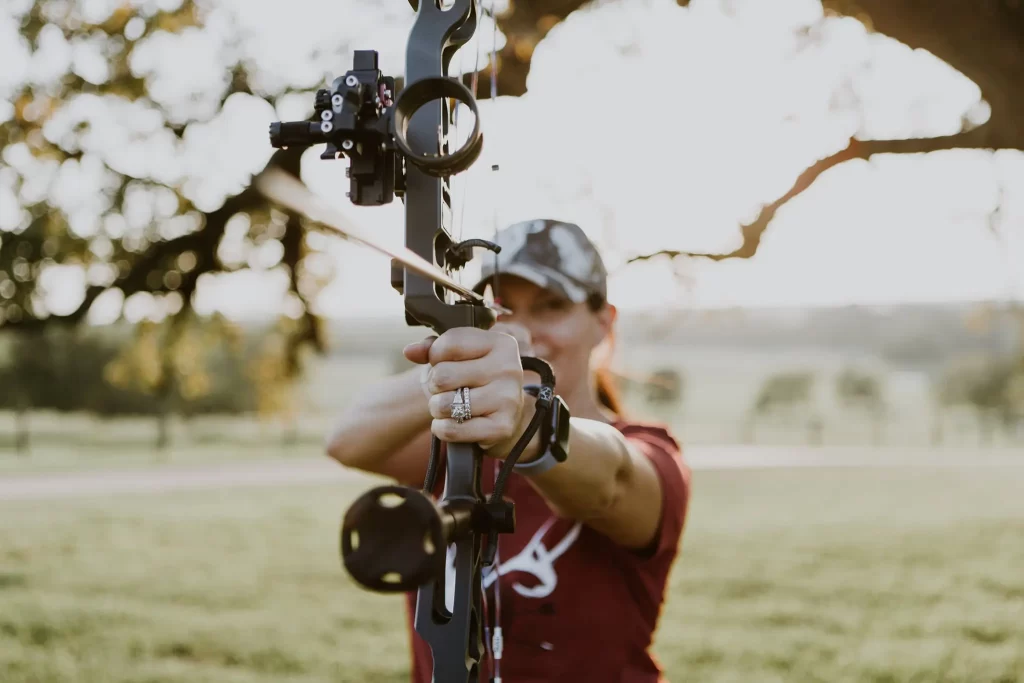

Archery is more than just a sport—it’s a practice that blends focus, discipline, and a surprising amount of mindfulness. For new and seasoned archers alike, places like Texas Archery offer more than just bows and targets—they provide an environment to grow physically, mentally, and socially. In this article, we’ll explore how archery can become a transformative practice, and how Texas Archery helps archers at every stage tap into the deeper benefits of the art.
Table of Contents
The Mindful Side of Archery
Archery demands focus—steady hands, calm breathing, precise awareness of posture and environment. In many ways, it mirrors mindfulness meditation. When an archer nocks an arrow, draws the bow, aims, and releases, they engage in a rhythmic ritual that trains the mind to stay present. Distractions—whether they’re physical, visual, or mental—must be intentionally tuned out.
This practice of tuning out the noise and narrowing focus helps cultivate patience, discipline, and self-awareness. Over time, archers often find that these qualities transfer to other aspects of life—work, relationships, and other physical activities—improving performance, confidence, and emotional regulation.
Texas Archery understands this deeper dimension. Their indoor ranges and structured archery programs create a space not just for shooting arrows, but for absorbing the lessons of concentration and balance that archery uniquely offers. Whether you’re working through a tough shot or guiding a young archer, the act becomes more meditative and reflective than many first-time shooters expect.
Physical Benefits You Might Not Expect
Most people think of upper body strength when they imagine archery—drawing the bow, pulling the string, and holding steady. While those are real aspects of the sport, archery actually provides a broader workout than many anticipate:
-
Core stability and posture: Holding a drawn bow requires core strength and spinal alignment. Archers learn to engage their back, shoulders, and abdominal muscles to stabilize the shot.
-
Improved fine motor skills: Precise finger, hand, and arm movements—especially when releasing the arrow—build coordination and muscle memory.
-
Enhanced balance: Repeatedly aligning the body, feet, and shoulders to aim helps improve posture and overall equilibrium.
-
Mental endurance: Archery demands sustained concentration, often under pressure. Learning to maintain a consistent shooting routine builds stamina and mental resilience.
Texas Archery’s training programs, including private lessons and tuning/testing ranges, let participants experience these benefits safely and progressively—not only learning how to shoot but how to move and aim in ways that maximize physical advantage.
Why the Right Equipment Matters
Choosing archery equipment isn’t just about picking a bow—it’s about matching gear to body, skill level, and shooting style. A poorly matched bow can lead to bad form, fatigue, frustration, or worse—injury. That’s why selecting the right setup matters for more than just performance.
-
Draw weight and length: If the draw weight is too heavy, drawing the bow can strain muscles and throw off form. If it’s too light, you may not develop proper technique or skill. Similarly, draw length must match the archer’s physique for consistent shooting.
-
Bow type: Recurve, compound, and traditional bows all offer different shooting experiences. Beginners may prefer recurve bows for simplicity, while experienced shooters might gravitate toward compound bows for power and precision.
-
Arrow weight, spine, and fletching: Getting arrows that properly match bow specifications is essential. Arrows that are too stiff or too light won’t fly straight or consistently.
-
Accessories: Items like stabilizers, sights, releases, and finger tabs or gloves can significantly influence shooting comfort, accuracy, and longevity.
The Texas Archery pro shop is equipped to support archers in selecting and maintaining gear. Their trained staff help ensure that shooters—whether youth, recreational, or advanced—use bows and arrows that fit both their bodies and their skill levels. This personalized approach reduces the risk of bad habits and increases the likelihood of long-term enjoyment.
Learning and Community at Texas Archery
Part of what sets Texas Archery apart is its emphasis on education and community. The Learning Center offers private lessons, archery programs, and special events. For beginners, private one-on-one instruction helps establish solid fundamentals from the start. These custom lessons cover everything from stance and draw technique to arrow flight and release—all under the guidance of experienced staff.
If you’re interested in group learning, Texas Archery hosts programs like JOAD (Junior Olympic Archery Development), corporate events, and birthday parties. These group sessions are about more than shooting—they’re social, fun, and structured learning experiences that encourage growth and confidence.
The indoor and outdoor ranges provide safe, adaptable spaces for practice. The tuning/testing range, in particular, is invaluable—archers can test different arrows, adjust equipment settings, and make refinements in real time. With consistent practice and tuning, archers learn to assess how small equipment tweaks or adjustments in form lead to noticeable improvements in accuracy.
By fostering a welcoming and educational community, Texas Archery helps archers build confidence, receive real-time feedback, and grow in a supportive environment—whether they’re brand new or honing competition-level skills.
From Hobby to Competition: The Archery Journey
Many folks begin archery as a casual hobby—just something fun to try or a way to spend time outdoors. Over time, as technique improves, many archers find themselves drawn deeper into the sport, honing their precision, competing in events, or becoming mentors themselves.
Here’s a rough outline of an archery progression:
-
Initial exploration: Trying a bow and arrow for the first time, getting familiar with the feel, and understanding the basic mechanics.
-
Foundational learning: Working on form, stance, draw, release, and safety. This is where private lessons or coaching can make a dramatic difference.
-
Routine practice & tuning: Developing consistency through repetition and equipment fine-tuning. This is where archers begin to notice improvements in flight, grouping, and shot control.
-
Targeted training: Focusing on distance shooting, accuracy, or specialized techniques—this might include sight adjustments, arrow selection, or advanced release techniques.
-
Competitive participation: Entering tournaments like JOAD events, 3D shoots, or local/ranger competitions. Here, factors like pressure, scoring strategy, and mental focus become key.
-
Mentorship and coaching: Many advanced archers choose to teach or mentor others, passing on skills and refining their own through instruction.
At Texas Archery, archers can follow this full journey—from discovery to competition. The JOAD practice sessions and events are specifically designed to help youth and adult archers bridge the gap between recreational shooting and organized competition. Their staff shooters program further provides a pathway for experienced shooters to engage at a higher level, compete, and teach others.
Even for adult learners, the structured practice sessions hosted at Texas Archery provide a blueprint for improvement—turning recreational interest into mastery and possibly competition-level consistency.
Practical Tips for Beginners
If you’re just getting started with archery—or thinking about picking it up—here are some practical pointers to help you hit the ground running:
-
Start with fundamentals: Focus on stance, grip, draw, anchor point, and release. These basics will serve you well as you progress.
-
Take a lesson: A short session with a coach can help you correct bad habits early, saving you time and frustration.
-
Consistency over quantity: It’s better to shoot 10 “good” arrows with proper form than 50 sloppy shots. Quality practice builds muscle memory.
-
Tune your setup: Even small gear adjustments—like arrow rest height, nock point, or bow tension—can dramatically affect arrow flight and accuracy.
-
Record and review: Keep track of your shooting sessions, noting what works and what doesn’t. Video or feedback can help you spot consistent form errors.
-
Be patient with progress: Archery isn’t a quick “pick up and master” sport. Progress comes gradually—celebrate the small improvements.
-
Stay safe: Always follow range safety rules. Respect the shooting line, waiting line, and only shoot when the lane is clear. Use proper protective gear (arm guard, finger tab or release aid).
-
Stay relaxed and breathe: Tension is your enemy in archery. Practice breathing techniques and staying relaxed while drawing and aiming.
By incorporating these tips, beginners can build a solid foundation, reduce frustration, avoid injury, and enjoy a more rewarding archery journey.
How to Choose Your Gear at Texas Archery
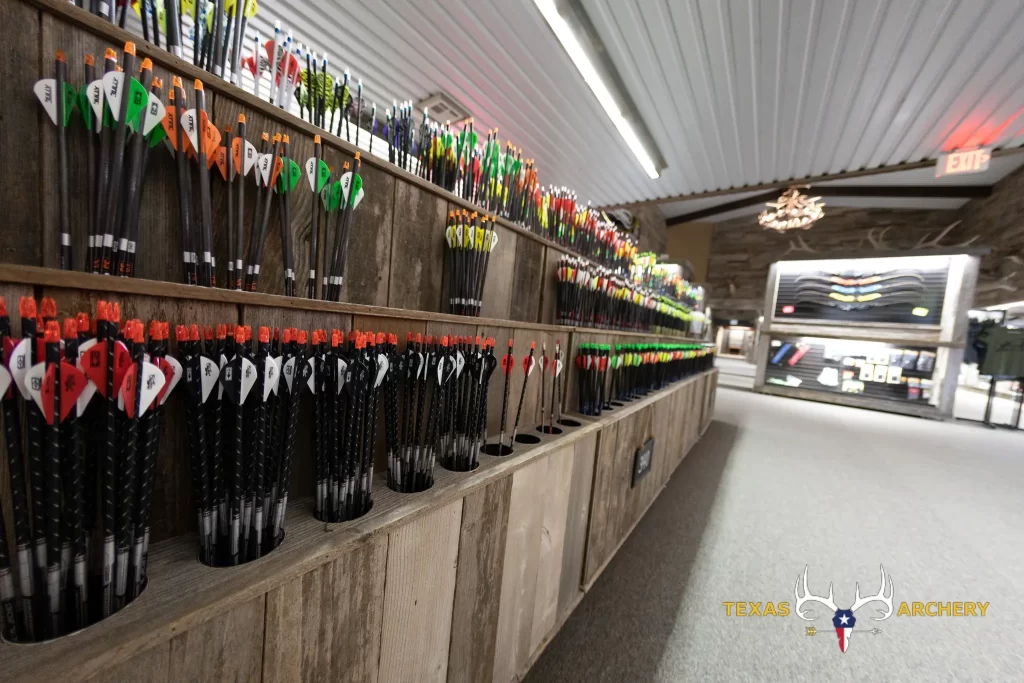
- Shop at Texas Archery
If you’re ready to pick your first bow or upgrade your existing gear, Texas Archery offers a wide variety of options—but that can also feel overwhelming. Here’s a mini-guide on how to work through your choices, and how Texas Archery’s shop and staff can help:
| Gear Choice | What to Consider | How Texas Archery Helps |
|---|---|---|
| Bow Type (recurve, compound, traditional) | Your strength, style, whether you want simplicity or speed/accuracy | Staff shooters and private lesson coaches can help you demo different bow types and see what feels right. |
| Draw Weight & Draw Length | Should match your arm length and strength level—too heavy will tire you quickly, too light may limit you later | The tuning/testing range lets you try different draw weights and keep track of what feels comfortable and accurate. |
| Arrows (material, spine, length, fletching) | Must match your bow’s draw characteristics and arrow speed—incorrect arrows can affect flight and accuracy | Texas Archery sells arrows and helps match arrow spines to your setup, which is key for proper flight and safety. |
| Accessories (sights, stabilizers, tab vs release aid) | Accessories can dramatically affect shooting comfort, aiming stability, and arrow flight | The pro shop staff can walk you through which accessories to start with and how to install/tune them. |
| Maintenance & Tuning | Over time, bows need tuning—adjusting rest height, nock point, cam timing, etc.—to stay accurate and safe | Texas Archery offers tuning services and workshops, so you don’t have to figure everything out on your own. |
When you’re shopping, you’ll want to browse the Texas Archery online store to explore different setups and parts. You can explore the full product lineup at Texas Archery’s shop at https://texarchery.com/collections to get a sense of the options before visiting in person. Once you have a sense of what appeals to you online, heading to the store for hands-on testing and guidance can make a big difference in getting gear that fits you.
If you’re in the greater Houston or Spring, Texas area, visiting Texas Archery in person is especially helpful. You can test equipment, get personalized advice, and immediately apply what you learn in the indoor range—all under the watchful eye of trained staff who can help correct form, adjust settings, and fine-tune your gear.
Wrapping Up: Archery as a Holistic Practice
Archery isn’t just about hitting targets—it’s a holistic discipline that engages mind, body, and spirit. As beginners build strength, balance, and coordination, they also cultivate focus, patience, and emotional resilience. Over time, archery becomes less a hobby and more a reflective practice—a way to learn about movement, control, and connection.
Texas Archery is well positioned to guide archers through every step of this journey. From initial curiosity to serious competition, their pro shop, lesson programs, indoor ranges, and community events offer a full-service archery experience. Whether you’re looking to reduce stress, build physical strength, learn a new skill, or compete in tournaments, Texas Archery provides the tools, space, and instruction to grow.
By combining quality gear, knowledgeable instruction, and a supportive environment, Texas Archery helps archers of all levels unlock the deeper benefits of the sport. If you’re curious about archery or ready to take your skills to the next level, exploring Texas Archery—both online at https://texarchery.com/ and through visiting their local facilities—can be the first step toward a fulfilling, long-term archery practice.