At Davis Tree Service, we spend a lot of time looking up — inspecting canopies, pruning branches, and assessing the structure of towering oaks, pines, and maples. But what happens below the ground is just as important, if not more.
Your trees’ roots determine everything: stability, growth, nutrient absorption, and overall longevity. Healthy root systems mean stronger trees, safer properties, and landscapes that can withstand the challenges of Texas weather.
Today, we’re diving deep into the hidden world beneath your feet — exploring how tree roots function, the problems they face, and how our team at Davis Tree Service works to protect and restore root health through modern arboricultural practices.
Understanding the Role of Roots in Tree Health
Tree roots do far more than anchor a tree in the soil. They serve multiple essential functions that directly affect how well your trees grow and survive.
1. Structural Support
Roots form the foundation of the tree’s stability. The larger, woody roots spread horizontally — sometimes two to three times beyond the canopy’s width — creating a natural base that keeps the tree upright during high winds and storms.
2. Water and Nutrient Absorption
Fine feeder roots, located in the top 12–18 inches of soil, absorb water and nutrients. They’re delicate and sensitive to compaction, drought, and chemical damage.
3. Energy Storage
Roots store carbohydrates produced through photosynthesis. These reserves are essential for recovery after pruning, storms, or droughts — much like a backup energy supply.
4. Communication Network
Yes, trees “talk.” Through root systems and fungal networks called mycorrhizae, trees share nutrients and chemical signals with one another. It’s part of what arborists call the “wood wide web.”
At Davis Tree Service, we recognize how interconnected and sensitive these underground systems are — and how easily they can be disrupted by construction, soil compaction, or improper planting.
Common Root Problems We See in Texas Landscapes
Healthy roots can live for decades, even centuries, but when conditions above or below ground change, problems develop quickly. Here are some of the most frequent root-related issues our team encounters.
1. Root Compaction
When soil becomes compacted by foot traffic, vehicles, or heavy equipment, air and water movement decreases dramatically. Roots suffocate, growth slows, and nutrient absorption drops. Over time, this leads to canopy thinning and dieback.
Solution: We use specialized aeration tools to restore oxygen flow and loosen soil around the critical root zone — encouraging new root growth.
2. Root Girdling
This happens when roots grow in circles around the trunk instead of spreading outward. Girdling roots eventually strangle the base of the tree, cutting off its nutrient pathways.
Solution: Our certified arborists inspect for girdling during root collar examinations and carefully remove or redirect roots as needed to prevent long-term damage.
3. Improper Planting Depth
Planting trees too deep is one of the most common mistakes we see. When the root flare (the area where the trunk expands into roots) is buried under soil or mulch, it creates moisture buildup and decay.
Solution: During planting and inspections, we ensure the root flare remains visible and properly graded. If your tree is already suffering from deep planting, our team can perform a root collar excavation to expose and correct the area.
4. Root Rot and Fungal Disease
Texas soils can stay wet after storms or poor drainage, leading to fungal diseases like Armillaria or Phytophthora root rot. These pathogens weaken roots and make trees structurally unstable.
Solution: We identify and treat infections early using targeted pruning, soil improvement, and in severe cases, removal and replacement with disease-resistant species.
5. Root Damage from Construction
Any time digging, trenching, or grading happens near trees, roots are at risk. Cutting just one major root can destabilize the tree or disrupt nutrient flow to entire sections of the canopy.
Solution: We work alongside contractors to create Tree Protection Zones (TPZs) and monitor roots before and after construction — reducing the impact of necessary work while preserving tree health.
The Science of Soil: Why It Matters for Root Success
Healthy soil is living, dynamic, and rich in organic matter. Unfortunately, urban soils are often compacted, stripped, or chemically imbalanced.
At Davis Tree Service, we don’t just look at the tree — we look at what the tree is standing in. Our team performs soil analysis to understand pH levels, nutrient content, and texture. Then we customize a care plan, which may include:
-
Organic mulching: Adds nutrients and moderates soil temperature.
-
Mycorrhizal inoculation: Boosts natural root-fungal partnerships.
-
Deep-root fertilization: Delivers nutrients directly to the root zone using pressurized injection.
-
Moisture management: Ensures proper irrigation during droughts without overwatering.
Healthy soil equals healthy roots — and that means fewer emergencies, better growth, and a safer property.
Root Zone Management: Protecting What You Can’t See
We often tell homeowners: what happens underground determines what happens above.
That’s why root zone management has become a cornerstone of our long-term maintenance approach.
1. Critical Root Zone (CRZ) Identification
The CRZ is the area around the tree that contains the majority of absorbing roots. We calculate it based on the tree’s size and species to determine where protection or intervention is needed.
2. Air Spading
This technique uses compressed air to safely remove soil from around the roots without causing damage. It helps us inspect the root structure, treat compaction, and apply soil amendments.
3. Root Collar Excavation
Over time, mulch or soil can bury the base of a tree. Excavating exposes the root flare, improves oxygen exchange, and helps prevent decay and girdling.
4. Soil Remediation
We enhance root zones with organic compost, beneficial microbes, and nutrient blends tailored to each tree’s needs. It’s like restoring balance to the underground ecosystem.
5. Monitoring and Maintenance
Healthy roots need ongoing care. Through our recurring maintenance programs at Davis Tree Service Services, we inspect trees regularly, track growth changes, and make adjustments as needed.
How Roots Affect Tree Safety
Roots are a tree’s foundation, and when they fail, the consequences can be serious.
Here’s how root health ties directly into safety and liability:
-
Leaning Trees: A shift in the root plate can destabilize a mature tree, increasing fall risk.
-
Lifted Pavement or Driveways: Expanding roots can damage sidewalks, patios, or foundations.
-
Storm Damage: Shallow or decayed roots are more likely to uproot during high winds.
-
Underground Utilities: Roots searching for water can invade pipes or drains, leading to expensive repairs.
By inspecting and maintaining roots regularly, we reduce hazards before they cause property damage or injury.
Davis Tree Service: Our Approach to Root Health
We take a science-based, results-driven approach to tree root care. Each plan we design considers soil conditions, species, age, and site history. Here’s what sets our team apart:
-
Certified Arborist Expertise
Our arborists understand root biology, soil ecology, and proper diagnostic methods — ensuring accurate, safe, and effective treatments. -
Non-Invasive Techniques
We use air tools and precision instruments that preserve roots while exposing problem areas for correction. -
Customized Treatment Plans
No two properties are alike. We tailor our work to your soil type, drainage, and landscape goals. -
Sustainability in Practice
We emphasize eco-friendly methods — using organic amendments, reducing chemical runoff, and promoting biodiversity. -
Full-Service Care
From root inspections and soil aeration to canopy pruning and removal, our integrated service list ensures total tree health.
Explore our offerings at Davis Tree Service Services.
Signs Your Tree May Have Root Issues
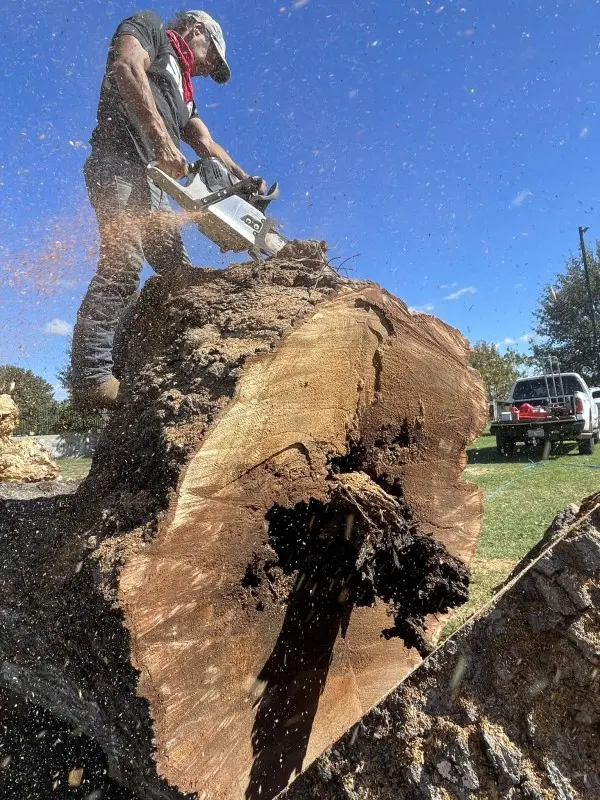
You don’t need to be an arborist to spot early warnings of root distress. Watch for these visible clues:
-
Sparse or yellowing leaves, especially at the top of the canopy
-
Mushrooms or fungal growth around the base
-
Cracks in soil or lifted turf near the trunk
-
Unexplained leaning or movement after rain
-
Slow growth despite fertilization
-
Bark cracking or dieback near the root flare
If you notice any of these, contact Davis Tree Service right away. Early detection makes all the difference between saving or losing a tree.
Long-Term Benefits of Root Care
Investing in root health isn’t just about preventing problems — it’s about maximizing the long-term value of your landscape.
Well-maintained root systems lead to:
-
Stronger structural integrity
-
Greater drought and disease resistance
-
Enhanced canopy growth and foliage density
-
Improved soil health for surrounding plants
-
Higher property value and curb appeal
In other words, root care is the foundation of sustainable, thriving tree management — and it’s at the heart of everything we do at Davis Tree Service.
Why Partner With Davis Tree Service
We’ve built our reputation in Texas on integrity, safety, and superior results. Our clients trust us because we treat every property as if it were our own — combining technical expertise with genuine care for the environment.
When you hire Davis Tree Service, you’re not just getting tree trimming or removal — you’re investing in the long-term health of your trees from root to crown. Our team’s knowledge, equipment, and passion for tree science ensure your landscape stays healthy, safe, and beautiful year after year.
Final Thoughts
Most of what keeps a tree healthy lies beneath the surface. The roots are unseen, but they tell the story of how strong, stable, and vibrant your trees will become.
At Davis Tree Service, we’ve made it our mission to protect that hidden world — combining expert diagnosis, soil care, and advanced root management techniques to give your trees the strong foundation they deserve.
If you want your trees to thrive for generations, don’t wait for visible symptoms. Reach out to the professionals who understand the science of roots — and the art of keeping them strong.
Visit Davis Tree Service to learn more about how we can help your trees from the ground up.