
Septic Inspections: What to Expect
Septic systems are a vital part of many properties, especially in rural areas where municipal sewage services are not available. Over time, these systems require regular inspections to ensure they function efficiently and safely. If you’re preparing for a septic inspection, understanding the process and what to expect can make the experience straightforward and stress-free. This guide, tailored for property owners seeking insight into septic inspections what to expect, covers the inspection stages, preparation tips, and what Strictly Septic offers to clients in Texas.
Why Are Septic Inspections Needed?
Septic inspections help maintain system health, avoid costly repairs, and ensure compliance with local regulations. Regular checks can identify minor issues before they escalate, protect your property’s value, and safeguard environmental health. Whether you’re buying or selling a property or simply maintaining your home, scheduling routine inspections with a trusted provider such as Strictly Septic is a smart step.
Types of Septic Inspections
There are two main types of septic inspections:
- Visual Inspections: These are surface-level checks, often done during real estate transactions. The inspector asks about the system’s age and maintenance history, checks water pressure, and looks for visible signs of leaks or system failure.
- Full Inspections: A comprehensive evaluation involving tank opening, sludge and scum measurement, and system component checks. This type is recommended for ongoing maintenance or when issues are suspected.
What to Expect During a Septic Inspection
Knowing septic inspections what to expect helps you prepare and ensures the process runs smoothly. Here’s a breakdown of the typical steps involved:
1. Scheduling and Preparation
When you contact Strictly Septic, the team will schedule a convenient appointment. Before the inspector arrives, you may be asked to gather maintenance records and clear access to the septic tank and drain field. If you’re unsure about preparation, Strictly Septic offers guidance to make sure nothing is overlooked.
2. System Location and Mapping
Inspectors begin by locating the septic tank, distribution box, and drain field. If the locations are unknown, specialized tools or property records may be used. Accurate mapping is crucial for a thorough inspection and future maintenance.
3. Tank Access and Inspection
The septic tank’s lid is opened to visually inspect the interior. The inspector checks for cracks, leaks, and the condition of baffles. Tools such as sludge judges are used to measure the levels of sludge and scum. High levels may indicate that pumping is needed.
4. Water Flow and Dye Testing
To assess the system’s absorption and detect leaks, the inspector may conduct a water flow or dye test. Water is run through the plumbing fixtures, and dye is introduced to trace its movement through the system. This can reveal blockages or leaks in the drain field.
5. Drain Field Evaluation
The drain field is checked for pooling water, odors, or lush grass, which can indicate system overload or failure. The inspector may also probe the soil to check for saturation or improper drainage.
6. Mechanical and Electrical Component Check
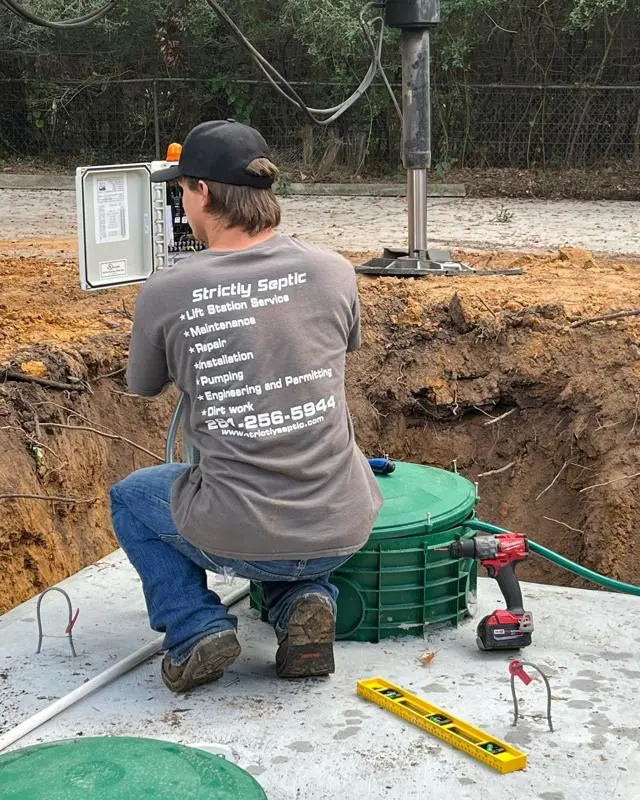
If your system uses pumps, alarms, or filters, these components are tested for proper operation. Electrical connections are examined for safety and functionality.
7. Inspection Report and Recommendations
After the inspection, you’ll receive a detailed report outlining findings and any recommended repairs or maintenance. Strictly Septic provides clear explanations and practical solutions, helping you make informed decisions about your system.
| Inspection Step | Purpose | What the Inspector Looks For |
|---|---|---|
| System Location | Identify all components | Tank, distribution box, drain field mapping |
| Tank Access | Visual and physical inspection | Lid integrity, cracks, leaks, baffle condition |
| Sludge/Scum Measurement | Assess tank volume | Sludge judge readings, need for pumping |
| Water Flow Test | Check system absorption | Water movement, dye tracing |
| Drain Field Inspection | Evaluate field health | Pooled water, odors, vegetation |
| Component Testing | Ensure mechanical function | Pumps, alarms, filters, electrical connections |
| Reporting | Document findings | Detailed report, repair recommendations |
How to Prepare for a Septic Inspection
Preparation can streamline the inspection and help the technician access everything they need. Here are a few steps property owners can take:
- Locate Records: Gather previous inspection reports, pumping receipts, and system diagrams if available.
- Clear Access: Ensure the tank lid and drain field are accessible. Remove any debris, plants, or obstacles.
- Limit Water Use: On the day of the inspection, minimize water usage to avoid overloading the system during testing.
- List Concerns: Note any issues you’ve observed, such as slow drains, odors, or wet spots in the yard.
What Sets Strictly Septic Apart?
Strictly Septic is a trusted provider for septic inspections what to expect in Texas. Their licensed technicians use advanced tools and follow state regulations to ensure thorough assessments. Clients benefit from:
- Comprehensive Service: From initial inspection to detailed reporting and follow-up, Strictly Septic covers every aspect of system care.
- Experienced Professionals: The team is trained in both conventional and advanced septic systems, offering insights tailored to each property.
- Transparent Communication: Clients receive clear explanations, actionable recommendations, and support throughout the process.
- Convenient Scheduling: Flexible appointment times and prompt service minimize disruption to your routine.
For a full overview of their offerings, review Strictly Septic’s septic company services page, which details inspections, repairs, pumping, and installations.
Common Issues Discovered During Septic Inspections
Inspections can uncover a range of issues, from minor maintenance needs to significant repairs. Here are some typical findings:
- High Sludge or Scum Levels: Indicates the tank is due for pumping.
- Cracked Tank or Components: Structural issues can lead to leaks or contamination.
- Blocked or Broken Pipes: Restricts flow and can cause backups or overflows.
- Drain Field Saturation: Excess water or poor drainage signals potential system overload.
- Malfunctioning Pumps or Alarms: Electrical or mechanical failures need immediate attention.
Addressing these issues promptly helps prevent system failure and extends the lifespan of your septic system. For professional assistance, Strictly Septic offers reliable repair and maintenance options.
Septic Inspection Frequency Recommendations
The frequency of septic inspections depends on system age, usage, and local guidelines. As a general rule:
- Residential Properties: Every 3–5 years, or as recommended by your inspector.
- Commercial Properties: More frequent checks may be needed due to higher usage.
- Before Property Sales: A full inspection is often required for real estate transactions.
Routine maintenance and inspections are key to avoiding unexpected repairs and ensuring your system meets regulatory requirements.
Questions to Ask Your Septic Inspector
Engaging with your inspector helps you understand your system’s condition and plan for future maintenance. Consider asking:
- What is the current condition of my septic tank and drain field?
- Are there any signs of wear, damage, or impending failure?
- How often should my system be pumped or serviced?
- What maintenance steps can I take to prolong the system’s life?
- Are there upgrades or repairs you recommend?
Strictly Septic’s team is committed to answering your questions and ensuring you have the information needed for confident system care.
Septic System Maintenance Tips
Beyond inspections, regular maintenance helps your septic system operate efficiently. Here are a few tips:
- Only flush biodegradable waste and avoid harsh chemicals.
- Conserve water to reduce system strain.
- Don’t plant trees or shrubs over the drain field as roots can damage pipes.
- Schedule regular pumping based on inspector recommendations.
For more detailed guidance, visit the Strictly Septic website or explore their septic company services for comprehensive support.
Choosing Strictly Septic for Your Inspection
If you’re searching for a reliable provider who understands septic inspections what to expect, Strictly Septic offers experienced technicians, transparent service, and a full range of system solutions. Their commitment to quality and client education ensures your septic system remains in peak condition year-round.