

How to keep your trees healthy, safe, and beautiful all year long — with guidance from Davis Tree Service
Are you wondering how to care for your trees through the blazing Texas summers, sudden winter cold snaps, and unpredictable spring storms? At Davis Tree Service, we believe that smart, season-aware care is the best way to protect your investment, reduce risk, and promote healthy tree growth. Over time, our team has developed a quarterly care framework tailored to the Montgomery County climate.
If you’re new here, you’re welcome to explore our full website at https://www.davistreellc.com/ or see the range of core offerings at https://www.davistreellc.com/services — but this article is about what you can do (or plan for) each season to keep your trees in top form.
The Montgomery County Climate & Its Impacts on Trees
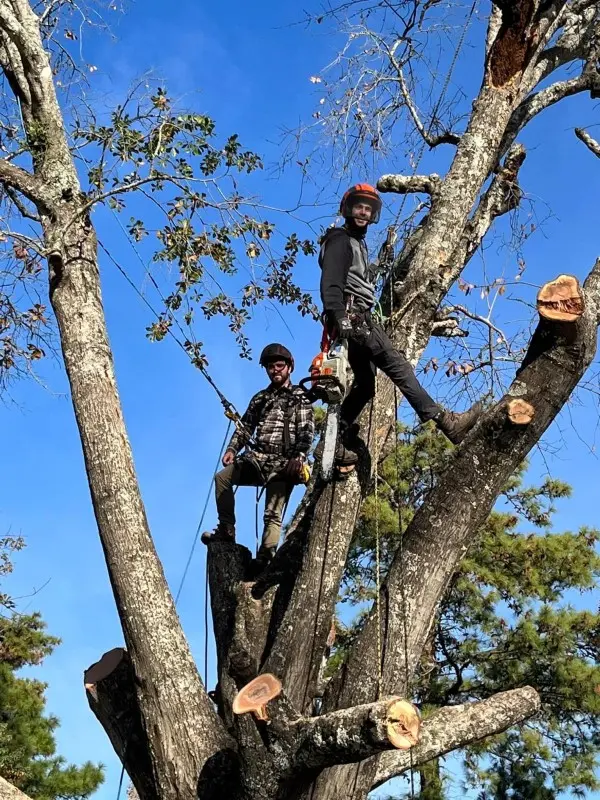
Before diving into seasonal tasks, it’s useful to remember our region’s climate dynamics:
-
Hot, humid summers with occasional drought stress
-
Sudden heavy rain events and flooding
-
Occasional cold snaps or winter freezes
-
Severe thunderstorms, high winds, and even ice events
-
Pests and diseases that thrive in warmth and humidity
Because trees here face both drought stress and storm risk, a year-round strategy pays off. Below is our recommended seasonal care plan.
First Quarter (January – March): Dormant & Early Growing Conditions
What to Focus On
-
Inspect for winter damage
After any cold snap, inspect branches, trunks, and root bases for frost cracks, branch dieback, or splitting. -
Prune structurally
This is a good window to carry out structural pruning on species that respond well in early growth (non-flowering trees) — removing dead or crossing branches. -
Plan fertilization & soil care
Conduct soil tests, especially if you noticed nutrient deficiencies the prior year. Plan fertilization or soil amendment just before spring growth. -
Check and prepare equipment & resources
Ensure mulches, staking gear, protective wraps, or pest monitoring tools are ready.
Why This Helps
Pruning while trees are relatively dormant and before bud break reduces stress, helps wounds close faster, and gives us a clean structural framework before the heavy growing season.
Second Quarter (April – June): Growth & Storm Season Onset
Key Actions
-
Monitor water stress
As heat and sun intensify, root zones may dry faster. Mulch judiciously and consider supplemental watering during dry spells. -
Watch for pest or disease outbreaks
Insects like borers, scale, aphids, or fungal pathogens become active. Early detection helps prevent widespread damage. -
Perform light thinning/pruning if needed
If branches are interfering with structures or becoming heavy, discrete trimming can relieve stress. -
Storm readiness checks
Inspect crown density, prune weak branch attachments, and consider cabling or bracing in vulnerable trees before major storms. -
Mulching refresh
Renew mulch layers (2–4 in depth) and ensure good moisture retention without piling up against trunks.
Benefit
By acting early in the growth season, you’re helping trees allocate energy to healthy new shoots, while reducing the chance of storm damage mid-season.
Third Quarter (July – September): Peak Heat & Storm Management
What to Do
-
Maintain watering & soil moisture
Continue supplemental irrigation for established trees in drought periods. Use deep watering, slow soak methods. -
Monitor for heat stress symptoms
Watch for wilting, leaf scorch, early leaf drop, or branch dieback. These signs may indicate root or water stress. -
Emergency storm response
After heavy winds, hail, or storms, check for broken limbs, split trunks, or leaning trees. Contact professionals immediately for hazardous trees. -
Minimize heavy pruning
Avoid major pruning in the hottest months — it stresses trees. Only remove branches if they pose danger or to relieve structural pressure. -
Continue pest monitoring and treatment
Late summer can provoke flushes of insect or disease activity; stay vigilant and intervene early.
Why It Matters
This is the most stressful time for trees in our area. The combination of heat, rain, root zone challenges, and storms means proactive maintenance and monitoring can reduce long-term injury.
Fourth Quarter (October – December): Transition & Preparing for Dormancy
Actions to Consider
-
Windstorm & freeze preparation
Identify weak branches, crossing limbs, or overhanging hazards and prune before severe winds or freezing nights arrive. -
Root health care
Let soil recover from summer compaction, aerate root zones if needed, and correct poor drainage around trunks. -
Final fertilization / soil amendment
Mild fertilization can help roots store nutrients, especially in late fall (choose formulations safe for local species). -
Leaf cleanup and disease suppression
Remove fallen diseased foliage and debris, especially near the trunk, to reduce overwintering pathogens. -
Inspection & plan for next year
Walk your property with an arborist or your own notes: identify which trees will need structural pruning, cabling, or other interventions in the coming year.
Benefit to the Tree
This helps trees enter dormancy in a healthy, resilient state — with fewer structural vulnerabilities and optimum root nutrient reserves for spring regrowth.
How Davis Tree Service Supports Your Seasonal Plan
We like to think of ourselves not just as a service provider, but as your year-round arboreal partner. Here’s how we align with your seasonal care:
-
Tailored checkups & assessments — We schedule seasonal inspections to spot issues early.
-
Targeted pruning, cabling, bracing, and structural care — Services from https://www.davistreellc.com/services come into play exactly when needed.
-
Soil testing, fertilization, mulching & root collar care — We can augment your own efforts with professional techniques.
-
Storm damage response & emergency services — When the unexpected happens, we are ready to respond.
-
Client education & reminders — We help you stay on track with alerts for upcoming seasonal tasks.
With this seasonal system in place, many issues never escalate to full removal or crisis mode — and you get healthier, safer, more beautiful trees.
Tips for Montgomery County Homeowners
-
Choose native & climate-adapted species where possible — they manage heat, humidity, and storms better.
-
Keep a tree journal or log — record pruning, pest events, fertilization, storm damage. It offers context over years.
-
Be consistent — skipping seasonal care often leads to cumulative stress.
-
Don’t delay inspections after storms or freezes — early intervention pays.
-
Work with certified professionals — such as Davis Tree Service — to ensure safe, effective work.
Sample Yearly Calendar (Checklist)
| Quarter | Key Focus | Recommended Tasks |
|---|---|---|
| Q1 (Jan–Mar) | Dormant cleanup and structural planning | Prune non-flowering trees; soil testing; inspect frost damage |
| Q2 (Apr–Jun) | Growth phase & storm prep | Monitor pests; light thinning; prep for storms |
| Q3 (Jul–Sep) | Manage heat & storm risk | Water deeply; emergency responses; minimal pruning |
| Q4 (Oct–Dec) | Overwinter prep | Remove hazards; root care; fall cleanups; plan next year |
Conclusion
A well-planned, seasonally attuned approach to tree care can transform your property’s landscape. You reduce risk, extend tree life, enhance beauty, and avoid emergency costs.
At Davis Tree Service, we’re committed to helping Montgomery County homeowners navigate each season with confidence. To explore our full suite of tree care options, check out https://www.davistreellc.com/services, or to learn more about who we are and how we serve the community, visit https://www.davistreellc.com/.
Together, we can keep your trees thriving year after year.