
At Strictly Septic, we know how alarming it can feel when you see the red light on your septic system turn on. That red warning light is designed to get your attention quickly—and for good reason. It signals that something inside your system isn’t functioning the way it should. When it happens, you need a reliable team that can respond promptly, troubleshoot the issue, and restore your septic system to working order. That’s where our Red Light Service comes in.
In this article, we’ll walk you through why the red light comes on, what you should do when it happens, and how our team at Strictly Septic provides the service and expertise you need.
If you want to see everything we offer beyond red light emergencies, check out our full range of septic company services. You can also learn more about who we are and why homeowners trust us by visiting our Strictly Septic homepage.
What Does the Red Light Mean on a Septic System?
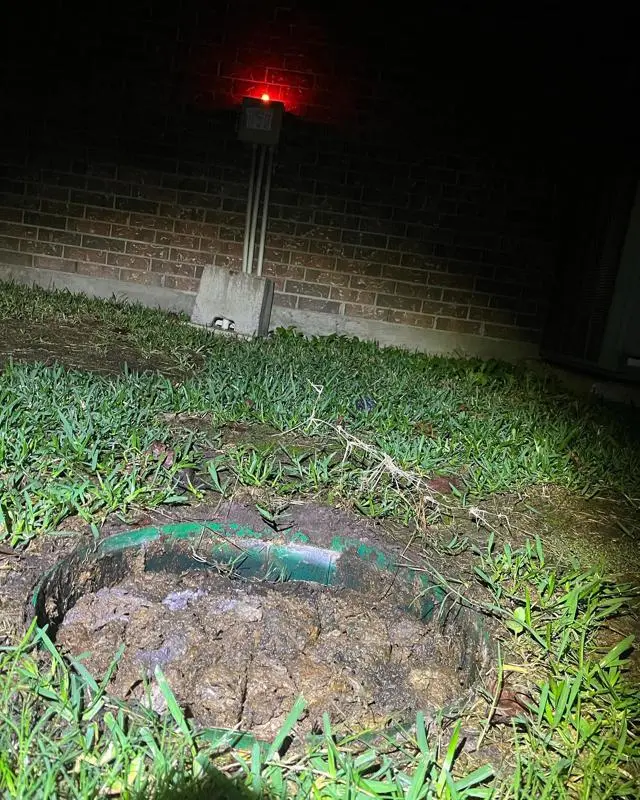
Your septic system alarm box typically has two lights: green and red. The green light lets you know that the alarm has power and is ready. The red light means something isn’t right within the system.
The red light can indicate:
-
High water levels in the pump tank
-
Pump failure or malfunction
-
Clogged filters or lines
-
Issues with electrical connections
-
Rainwater or groundwater infiltration
Each of these issues can interrupt the normal function of your septic system, and ignoring the warning light can lead to sewage backups, foul odors, or even system failure.
Common Reasons the Red Light Comes On
1. High Water Levels in the Tank
The most common reason for a red light alarm is that the water level inside the pump chamber has risen higher than it should. This can be caused by heavy water usage inside the home, such as running the dishwasher and washing machine back-to-back, or taking multiple showers in a short time.
2. Pump Malfunction
If the pump that normally removes wastewater from the chamber stops working, the water level rises until it triggers the alarm. Pumps can fail due to electrical issues, age, or clogs inside the system.
3. Clogged Filters or Pipes
When effluent filters or outlet pipes become clogged with solids, the flow of wastewater slows down dramatically. This blockage causes water to build up in the tank, which then triggers the alarm system.
4. Groundwater or Rainwater Infiltration
During heavy rain, or if the soil around the septic tank isn’t properly graded, rainwater and groundwater can leak into the tank. This can artificially raise water levels and cause the alarm to sound, even if the system is otherwise functioning correctly.
5. Electrical or Control Issues
Sometimes the problem isn’t the septic tank itself but the electrical components. Faulty wiring, a tripped breaker, or a malfunctioning float switch can all cause the red light to come on.
What Should You Do When the Red Light Comes On?
Seeing the red light doesn’t necessarily mean you’re facing a catastrophic issue. However, you should take the following steps immediately:
-
Silence the Alarm – Most systems have a button to silence the audible alarm. This prevents the noise from becoming overwhelming while you investigate the issue.
-
Reduce Water Usage – Limit water use inside your home to avoid making the problem worse. Stop laundry, long showers, or heavy dishwasher use until the issue is resolved.
-
Check the Breaker – Sometimes the problem is as simple as a tripped breaker. Reset it if necessary and see if the system resumes normal operation.
-
Call Strictly Septic – Even if the system seems to stabilize, it’s always best to have a professional technician inspect it. Our Red Light Service ensures that any underlying issues are quickly identified and corrected.
Why Immediate Service Matters
Ignoring a red light can result in serious consequences. When the water level inside your septic system rises beyond safe limits, the system can’t properly treat and disperse wastewater. This may lead to:
-
Sewage backing up into the home
-
Foul odors in the yard or inside the house
-
Wastewater surfacing on your property
-
Long-term damage to pumps, floats, or electrical systems
-
Higher repair costs down the road
By contacting us for Red Light Service as soon as the alarm comes on, you protect your home, your property, and your wallet.
How Strictly Septic Handles Red Light Service
At Strictly Septic, we’ve built our reputation on being prompt, professional, and thorough. When you call us about a red light issue, here’s what you can expect:
Step 1: Quick Response
We know septic emergencies don’t wait, which is why our technicians are ready to respond quickly. We’ll schedule an appointment as soon as possible and walk you through what you should do in the meantime.
Step 2: System Inspection
Our trained team inspects the entire alarm system, pump tank, filters, and electrical connections. We use professional diagnostic tools to pinpoint exactly what’s causing the red light.
Step 3: Troubleshooting & Repairs
Whether it’s a clogged filter, a faulty float switch, or a failed pump, we make the necessary repairs or replacements on-site whenever possible.
Step 4: Preventive Recommendations
Once your system is back up and running, we’ll provide recommendations to help prevent future issues—whether that means routine maintenance, replacing aging components, or making adjustments to water usage habits.
Preventing Future Red Light Alarms
While some issues—like sudden pump failure—can’t always be predicted, many red light problems can be prevented with proper care and maintenance.
Here are some tips we share with our customers:
-
Schedule Routine Inspections – Regular maintenance allows us to catch small problems before they become big ones.
-
Pump Your Tank on Schedule – Overfilled septic tanks cause strain on pumps and increase the likelihood of clogs.
-
Protect Drain Fields – Avoid parking vehicles or planting deep-rooted trees near your drain field to reduce stress on the system.
-
Conserve Water – Spread out laundry and dishwashing loads to avoid overwhelming your system in short bursts.
-
Replace Aging Components – Pumps, floats, and filters have lifespans. Replacing them proactively helps prevent unexpected red light alarms.
Why Choose Strictly Septic?
When it comes to something as important as your septic system, you want a company you can rely on. Homeowners in Texas choose us because:
-
We’re Local Experts – We understand the soil, weather, and system types common in our service areas.
-
We Respond Quickly – Red light emergencies require immediate attention, and we pride ourselves on fast service.
-
We Offer Full-Service Solutions – From red light emergencies to routine pumping and inspections, we provide it all.
-
We Care About Long-Term Solutions – Our goal isn’t just to fix today’s issue—it’s to keep your system working smoothly for years to come.
For a closer look at our full line of services, visit our septic company services page.
Conclusion: Don’t Ignore the Red Light
The red light on your septic system is there to protect you and your home. While it may feel stressful to see it activate, it’s a valuable warning that allows you to act before a small issue becomes a major problem.
At Strictly Septic, we’ve helped countless homeowners resolve their red light issues quickly and effectively. Our Red Light Service is designed to provide peace of mind when you need it most, backed by expert knowledge and a commitment to reliable care.
If your red light has come on—or if you want to schedule preventive maintenance before it ever does—contact us today. Visit the Strictly Septic homepage to get started, and let us keep your septic system working the way it should.