
What Are Phase Home Inspections?
Phase home inspections are a systematic approach to evaluating a property’s construction or renovation progress at critical stages. Unlike a standard home inspection, which typically occurs after construction is complete, phase inspections are conducted at several key points throughout the building process. This proactive method helps identify issues early, ensuring that each step meets safety standards and building codes.
The Three Main Phases of Home Inspections
For new construction, phase inspections generally occur at three pivotal stages:
- Pre-Pour (Foundation) Inspection: Evaluates site preparation, footing, and rebar placement before concrete is poured.
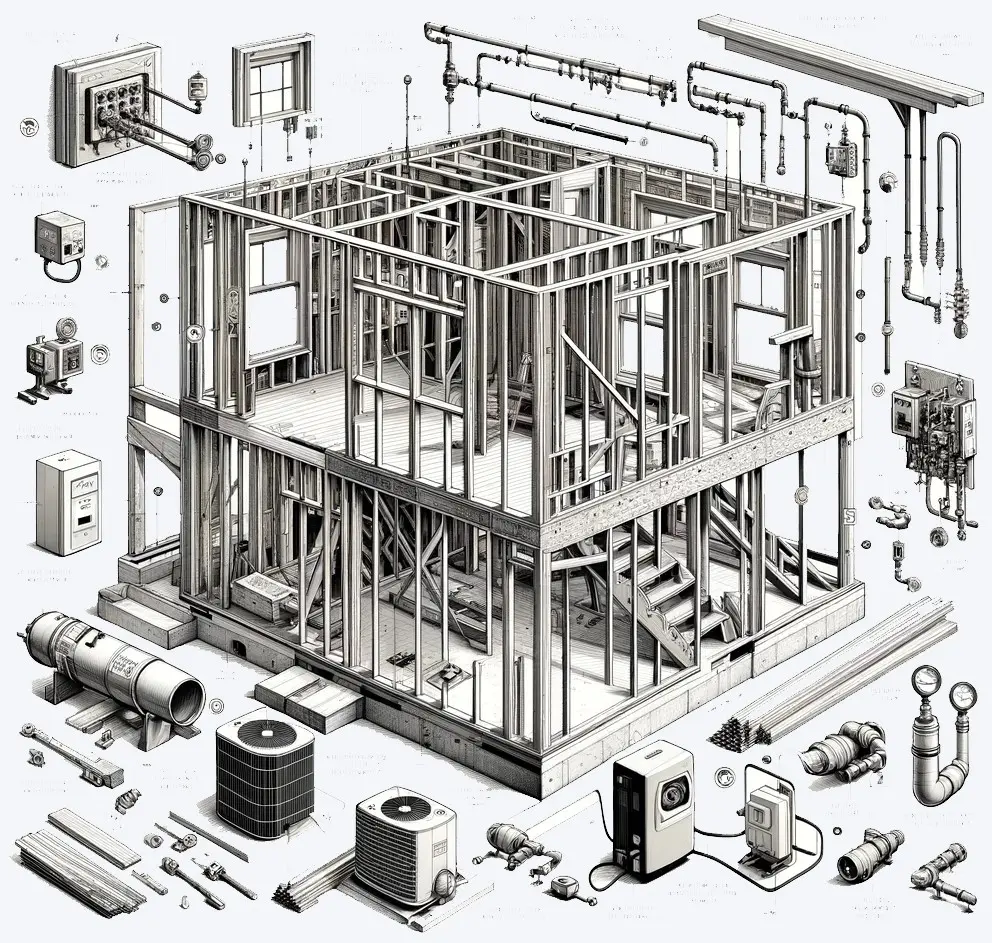
- Pre-Drywall (Framing) Inspection: Assesses framing, electrical, plumbing, and HVAC rough-ins before drywall conceals the work.
- Final Inspection: Reviews the completed home for code compliance, safety, and overall workmanship before occupancy.
Phase Inspection Chart
| Phase | What’s Checked | Common Issues Found |
|---|---|---|
| Pre-Pour/Foundation | Site grading, footings, rebar, vapor barriers, plumbing rough-in | Poor compaction, misaligned rebar, improper plumbing placement |
| Pre-Drywall/Framing | Framing, sheathing, electrical, plumbing, HVAC rough-ins | Improper framing, missing fire blocking, code violations in wiring |
| Final Inspection | All systems, fixtures, finishes, safety, code compliance | Leaky plumbing, faulty outlets, incomplete finishes |
Why Are Phase Home Inspections So Important?
Phase home inspections and why they are so important is a topic every homeowner, builder, and real estate professional should understand. These inspections offer several clear benefits that extend beyond peace of mind.
Early Issue Detection
By inspecting a home at multiple stages, inspectors can catch problems before they become costly or difficult to fix. For example, a misaligned drain pipe or a missing vapor barrier is much easier to address before concrete is poured or drywall is installed. This approach helps prevent expensive rework and delays.
Quality Assurance
Phase inspections provide an independent review of the builder’s work. They ensure adherence to the construction plans, building codes, and manufacturer specifications. This oversight helps maintain consistent quality throughout the project.
Code Compliance
Building codes are designed to protect the safety and health of occupants. Phase inspections verify that each construction stage complies with these regulations. Catching code violations early helps avoid failed municipal inspections and potential legal issues.
Documentation and Accountability
Each phase inspection produces a detailed report with photos and descriptions of findings. This documentation becomes part of the property’s history and can be invaluable if disputes arise or when selling the home in the future.
Peace of Mind for Buyers and Owners
Knowing that a home has passed multiple inspections during construction reassures buyers about the property’s quality. It also provides confidence to owners that their investment is protected.
Who Should Consider Phase Home Inspections?
Phase home inspections are commonly recommended for:
- New Home Buyers: To ensure their new home is built to standard at every stage.
- Custom Home Projects: Where owners are deeply involved in the building process.
- Builders and Contractors: To provide third-party verification of their work and reduce warranty claims.
- Real Estate Agents: To offer added value and assurance to their clients.
How SEI Home Inspections Conducts Phase Inspections
SEI Home Inspections follows a thorough and systematic approach to phase inspections. Their process includes:
- Scheduling: Working with the builder and client to schedule inspections at the right times.
- Detailed Evaluation: Inspecting all critical components for each phase, from foundation to final finishes.
- Comprehensive Reporting: Providing clear, photographic reports outlining any issues and recommendations for correction.
- Follow-Up: Re-inspecting corrected work when necessary to ensure issues are resolved.
For a complete list of their inspection services, visit the SEI Home Inspections services page.
Common Problems Discovered During Phase Inspections
Some of the most frequent issues found during phase inspections include:
- Foundation: Inadequate compaction, misaligned anchor bolts, missing vapor barriers, plumbing errors.
- Framing: Incorrect stud spacing, missing structural connectors, improper fire blocking, overdriven nails.
- Electrical and Plumbing: Unsecured wiring, missing GFCI outlets, improper pipe slopes, unprotected pipes.
- HVAC: Poorly sealed ductwork, inadequate returns, missing insulation.
- Final Finishes: Leaks, faulty outlets, incomplete caulking, window and door misalignment.
Benefits for Builders and Contractors
Builders and contractors also gain from phase home inspections. Third-party inspections can:
- Reduce callbacks and warranty claims by catching defects early.
- Improve client satisfaction and trust.
- Provide a documented record of quality control for future reference.
Builders who encourage phase inspections demonstrate transparency and a commitment to quality, which can set them apart in a competitive market.
How Phase Inspections Differ from Municipal Inspections
Municipal inspectors focus on code compliance and may be pressed for time due to high workloads. Private phase inspections, like those from SEI Home Inspections, are more comprehensive. They evaluate workmanship, adherence to plans, and potential long-term issues, not just code violations. Phase inspectors work for the client, providing unbiased feedback and recommendations.
When Should You Schedule Phase Home Inspections?
Timing is critical. Schedule each phase inspection before the next construction stage proceeds. For example, ensure the pre-pour inspection happens before concrete trucks arrive, and the pre-drywall inspection before insulation and wallboard go up. Coordinating with your builder and inspector ensures no step is skipped.
What to Expect in a Phase Inspection Report
A professional phase inspection report will include:
- Detailed descriptions of inspected components and areas.
- Photographs highlighting any deficiencies or concerns.
- Clear explanations of code violations or construction errors.
- Actionable recommendations for correction.
- Documentation of repairs or follow-up inspections if needed.
Choosing the Right Phase Home Inspector
Not all inspectors offer phase inspections or have experience with new construction. Look for professionals with a background in construction, up-to-date certifications, and a reputation for thoroughness. SEI Home Inspections is known for providing comprehensive phase inspections in Houston and surrounding areas, helping clients protect their investment at every stage.
Frequently Asked Questions About Phase Home Inspections
- Are phase inspections only for new homes?
While most common with new builds, phase inspections can also benefit major renovation projects or additions. - Can I skip a phase inspection if the builder is reputable?
Even reputable builders can make mistakes. Independent inspections provide an extra layer of quality control. - Do phase inspections delay construction?
When scheduled efficiently, phase inspections fit into the build schedule and can prevent delays caused by missed issues. - How much do phase inspections cost?
Costs vary by region and project size, but the investment is minor compared to the potential cost of missed defects.
Contact SEI Home Inspections
If you are building a new home or planning a major renovation, consider partnering with SEI Home Inspections. Their team offers detailed phase home inspections and other inspection services to help ensure your project’s success.