
Understanding Home Inspections in Houston
Buying or selling a home in Houston is a significant milestone, and home inspections play a critical role in this process. Whether you’re a first-time homebuyer, a seasoned investor, or preparing to list your property, understanding home inspections in Houston and what you should know can help you make informed decisions. This guide explains the essentials, the process, and what to expect from a professional inspection.
Why Home Inspections Matter in Houston
Houston’s climate, diverse architecture, and unique soil conditions present specific challenges for homeowners. The city’s hot, humid environment and occasional severe weather events can affect the integrity of homes, making thorough inspections particularly valuable. A comprehensive inspection helps uncover hidden issues, supports negotiation, and ensures the safety and longevity of your investment.
Common Issues Found During Home Inspections in Houston
- Foundation movement: Expansive clay soils in Houston can lead to shifting foundations.
- Moisture intrusion: High humidity and heavy rainfall can cause leaks and mold growth.
- Roof damage: Intense sun and storms often wear down roofing materials.
- HVAC system wear: Air conditioning is heavily used, so system efficiency and age are important factors.
- Electrical and plumbing issues: Older homes may have outdated systems not up to current codes.
What Does a Home Inspection Include?
A home inspection is a visual assessment of a property’s accessible systems and components. Inspectors evaluate the condition of the home and identify areas needing repair or further evaluation. The process typically covers:
- Structural components (foundation, walls, roof)
- Exterior features (siding, gutters, drainage)
- Interior rooms (walls, ceilings, floors, doors, windows)
- Plumbing and electrical systems
- Heating, ventilation, and air conditioning (HVAC) systems
- Insulation and ventilation
- Appliances (as applicable)
Specialized Inspections and Technology
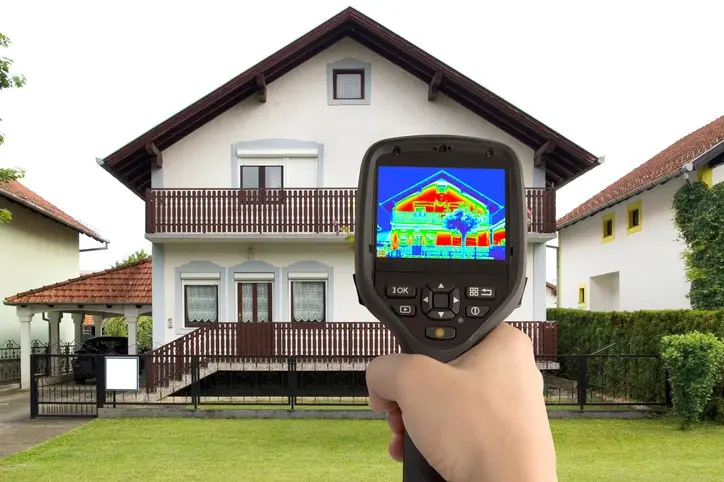
Some inspections go beyond the standard checklist. For example, thermal imaging inspections use infrared technology to detect moisture, electrical hotspots, or insulation gaps that aren’t visible to the naked eye. This advanced tool provides a deeper look into potential concerns, especially in climates like Houston’s where moisture and heat play a significant role.
The Home Inspection Process in Houston
Working with a reputable company like SEI Home Inspections ensures your inspection is thorough and informative. Here’s an overview of what you can expect:
- Scheduling: Once under contract, schedule your inspection as soon as possible to allow time for negotiations or repairs.
- On-site assessment: The inspector will spend several hours evaluating the property’s systems and structure.
- Report delivery: After the inspection, you’ll receive a detailed report with findings, photos, and recommendations.
- Follow-up: Discuss the report with your inspector or real estate agent to prioritize repairs and next steps.
Sample Home Inspection Checklist
| Area | What’s Checked | Common Houston Issues |
|---|---|---|
| Foundation | Cracks, movement, moisture | Shifting due to clay soil |
| Roof | Shingles, flashing, leaks | Storm and sun damage |
| HVAC | Age, functionality, efficiency | Wear from heavy use |
| Plumbing | Pipes, fixtures, leaks | Corrosion, leaks, water pressure |
| Electrical | Wiring, panels, outlets | Outdated wiring, breaker issues |
| Attic & Insulation | Ventilation, insulation coverage | Heat retention, humidity |
How to Choose a Home Inspector in Houston
Not all inspectors are the same. Consider the following when selecting a professional:
- Credentials: Look for inspectors licensed by the Texas Real Estate Commission (TREC).
- Experience: Inspectors familiar with Houston’s climate and common building practices can identify region-specific issues.
- Technology: Companies offering thermal imaging and other advanced services provide added value.
- Sample reports: Review a sample inspection report to ensure clarity and thoroughness.
- References: Ask for reviews or referrals from previous clients.
SEI Home Inspections, serving the Houston area, is recognized for detailed reporting and a customer-focused approach. Their commitment to ongoing education and use of technology sets them apart from many competitors.
Preparing for a Home Inspection
Preparation can help the inspection go smoothly and ensure the inspector can access all required areas. Sellers should:
- Unlock gates, attics, and utility closets
- Provide access to electrical panels, water heaters, and HVAC units
- Move items away from walls and windows
- Replace burned-out light bulbs and check batteries in smoke detectors
Buyers are encouraged to attend the inspection to ask questions and better understand the home’s condition.
What Buyers Should Know
For buyers, a home inspection is an opportunity to gain insight into the property and plan for future maintenance. Key things to consider include:
- The inspection is not a pass/fail test, but a tool for making informed decisions
- Minor issues are common; focus on major defects or safety concerns
- Use the inspection report to negotiate repairs or price adjustments if needed
- Understand the limitations—inspectors cannot see inside walls or predict future failures
What Sellers Should Know
For sellers, a pre-listing inspection can identify issues before the home hits the market, allowing time for repairs and avoiding surprises during the sale process. This proactive approach can help streamline negotiations and build buyer confidence.
Home Inspection Services in Houston
Many companies offer a range of inspection services to suit various needs. At SEI Home Inspections’ home inspection services, you’ll find standard property inspections, new construction inspections, pre-listing inspections, and specialized options like thermal imaging. Each service is designed to address the unique challenges presented by Houston’s environment and housing stock.
Benefits of Thermal Imaging
Adding thermal imaging to your inspection can reveal problems that traditional methods might miss. For example, it can detect:
- Hidden water leaks behind walls or under floors
- Electrical issues such as overloaded circuits or hotspots
- Missing or insufficient insulation
- Air leaks contributing to energy loss
For more information, visit thermal imaging inspection services.
What to Do After the Inspection
The inspection report is a valuable resource. Here’s how to use it effectively:
- Review the findings: Read through the report, paying attention to safety concerns and major repairs.
- Consult with your agent: Discuss which items should be addressed before closing.
- Obtain repair estimates: For significant issues, get quotes from licensed contractors.
- Negotiate as needed: Use the report to request repairs or concessions from the seller.
Frequently Asked Questions About Home Inspections in Houston
- How long does an inspection take? Most inspections last 2–4 hours, depending on the size and age of the home.
- Should I attend the inspection? Yes, attending allows you to ask questions and learn about maintenance needs.
- Are all issues found during inspection negotiable? Major defects and safety concerns are commonly negotiated, while minor issues may not be.
- Is a new home inspection necessary? Yes, even new construction can have defects or incomplete work.
Houston’s Unique Inspection Considerations
Houston’s environment presents unique challenges for homeowners and inspectors alike. Flooding, termites, and soil movement are common concerns, and a thorough inspection will address these risks. Choosing a local expert like SEI Home Inspections ensures you benefit from regional experience and tailored recommendations.
Additional Resources
- Learn more about home inspection services in Houston.
- Explore the advantages of thermal imaging inspection for your property.