Concrete finishing using epoxy has become a reliable method for increasing surface durability, resisting wear, and improving appearance across residential, commercial, and industrial projects. The process includes coating, polishing, sealing, and often texturing—each step contributing to a more resilient and attractive slab.
Unlike standard concrete surfaces, epoxy-finished concrete offers additional protection against moisture, staining, and chemical exposure. This translates to longer-lasting results with reduced maintenance. Properly finished concrete using epoxy reduces surface imperfections and creates a refined, hardened layer built to withstand pressure and heavy traffic.
Surface Preparation and Epoxy Compatibility
Finishing concrete with epoxy begins with evaluating the existing surface. Rough patches, cracks, or contaminants must be addressed before applying any coating. Surface preparation may involve grinding, cleaning with industrial degreasers, or moisture testing. The compatibility between concrete and epoxy depends on proper adhesion.
Any failures during this step will compromise the epoxy bond and reduce the finish’s effectiveness. Tools such as diamond grinders and shot blasters may be used to open the surface pores, improving epoxy absorption.
To see examples of preparation techniques and final results, visit the Concrete Coatings page.
Common Techniques in Epoxy Concrete Finishing
Several epoxy-based methods are used in concrete finishing:
- Solid Color Epoxy Coatings provide uniformity and are used for garages, warehouses, and utility rooms.
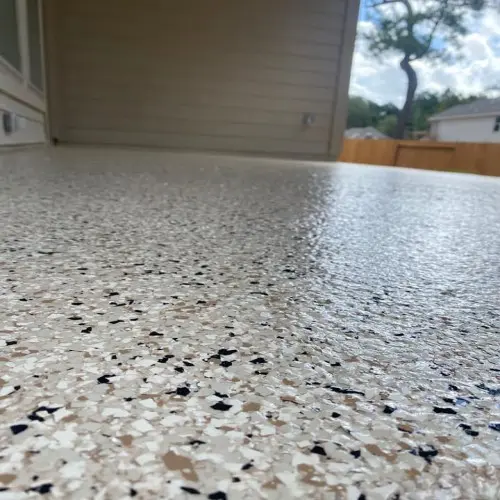
- Flake Systems, which incorporate vinyl chips for added texture and slip resistance. More on these options can be found under Colors and Flake Options.
- Polished Epoxy Finishes, which offer reflective surfaces and improved durability. See more at Concrete Polishing.
- Textured Epoxy Finishes, where grit or patterns are added during application. Visit Concrete Texturing to learn how texture changes both appearance and function.
Each method serves a specific purpose based on expected foot traffic, environmental exposure, and aesthetic preferences.
Protective Benefits and Surface Longevity
Epoxy finishes provide a sealed layer that protects the slab from erosion, water intrusion, and chemical damage. In regions where concrete expansion and contraction due to heat or cold are common, epoxy mitigates surface cracking.
Stains from oil, paint, or solvents are less likely to penetrate, making cleanup more manageable. Unlike untreated surfaces, epoxy-finished floors require less maintenance over time. See practical applications of Sealed Concrete.
Chart: Concrete Finishing Methods Compared
| Method | Appearance | Slip Resistance | Maintenance Level | Ideal Uses |
|---|---|---|---|---|
| Solid Epoxy | Glossy or Matte | Medium | Low | Garages, Shops |
| Flake System | Textured, Multi-tone | High | Low | Commercial, Retail Spaces |
| Polished Epoxy | High Gloss | Low | Very Low | Lobbies, Showrooms |
| Textured Epoxy | Matte or Glossy | High | Low | Outdoor Walkways, Pool Decks |
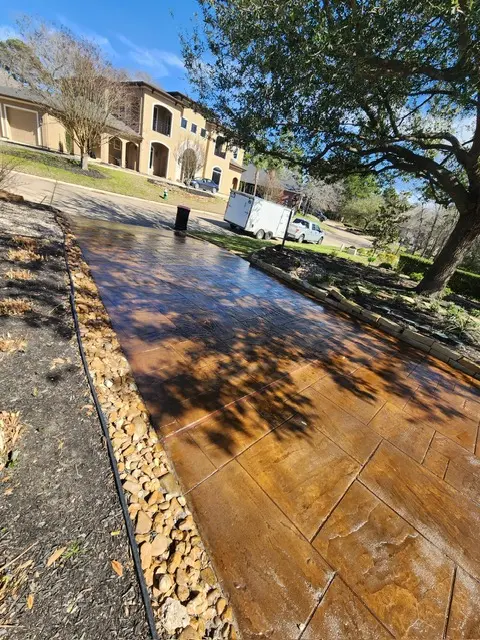
| Stained Concrete | Varied Patterns | Medium | Medium | Patios, Interior Floors |
Each method is evaluated for its surface grip, aesthetic result, and effort required to maintain its condition over time. Learn more about color patterns and stain options at Stained Concrete.
Design Versatility with Decorative Finishes
Beyond durability, epoxy allows for tailored designs through stains, flake blends, and dyes. Decorative finishes add individuality to floors without sacrificing strength. See examples of creative applications at the Decorative Concrete page.
When combined with concrete saw cuts or overlays, these finishes can mimic tile, stone, or other textures. For sidewalks or curb-facing surfaces, Sidewalk Coatings offer a clean finish while preventing surface erosion.
Functional Zones and Coating Requirements
Concrete finishing using epoxy varies depending on the space:
- Garages: Require resistance to oil and tire marks.
- Retail or Medical Buildings: Must meet aesthetic and hygiene standards.
- Walkways and Patios: Benefit from non-slip textures and weather resistance.
Each zone requires a finish that meets both practical and compliance goals. Contact support for evaluations at the Contact page.
Curing Time and Project Sequencing
Epoxy systems cure within specific windows. Foot traffic may resume within 12 to 24 hours, while heavy equipment should wait 48 to 72 hours. Environmental conditions such as temperature and humidity affect cure times.
Sequencing projects for minimal disruption depends on square footage and chosen method. For example, a flake finish in a garage may require one full day of prep and two days of curing.
Environmental Control and Maintenance
After installation, epoxy-finished concrete benefits from basic upkeep:
- Use of pH-neutral cleaners.
- Avoiding abrasive tools.
- Routine sweeping to prevent grit from scuffing.
Seasonal inspections may help extend surface lifespan, especially in commercial or industrial environments.
Summary of Benefits
- Enhanced durability and surface hardness.
- Protection from chemicals, water, and UV rays.
- Improved safety through slip-resistant textures.
- Design customization for interior and exterior surfaces.
- Reduced maintenance compared to untreated slabs.
Epoxy Garage Floors Montgomery delivers concrete finishing solutions for clients seeking dependable surface results. Whether applying high-gloss polish or embedding flake systems, the outcome is long-lasting and functional.