Understanding Forklifts: An Introduction
Forklifts are essential vehicles in the world of material handling, warehouse management, and industrial operations. They are designed to lift, move, and transport heavy loads efficiently and safely. At Aisle Master, the focus is on providing innovative solutions that maximize storage space and productivity. This guide explores the different types of forklifts, their applications, and the advantages of using advanced forklift technology in modern businesses.
Types of Forklifts
Forklifts come in various shapes and sizes, each suited for specific tasks and environments. Understanding the different types helps businesses choose the right equipment for their needs. Here are some common forklift types:
- Counterbalance Forklifts – The most widely used type, featuring forks at the front and a counterweight at the back for balance.
- Reach Trucks – Designed for narrow aisles, these forklifts extend their forks to reach deep into racking systems.
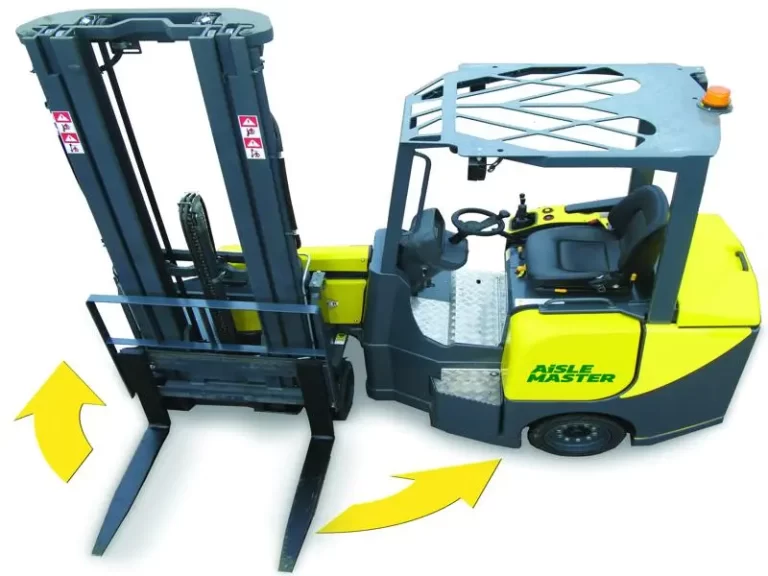
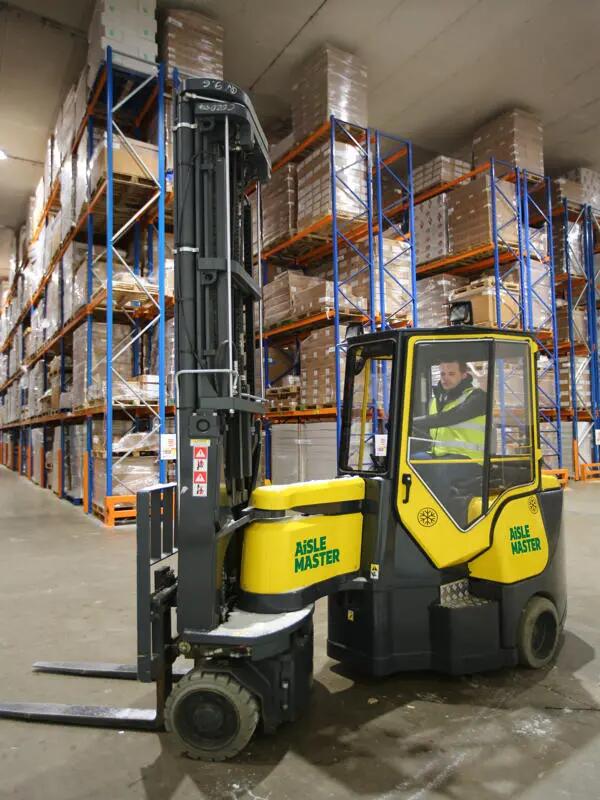
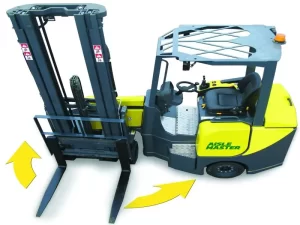
- Articulated Forklifts – Such as those offered by Aisle Master forklifts, these are engineered for very narrow aisle operations, combining the benefits of reach and counterbalance forklifts.
- Pallet Jacks – Ideal for moving pallets over short distances within warehouses.
- Order Pickers – Used for picking individual items from shelves, especially in distribution centers.
- Rough Terrain Forklifts – Built for outdoor use on uneven surfaces, such as construction sites.
Forklift Comparison Table
| Type | Main Use | Key Feature | Typical Environment |
|---|---|---|---|
| Counterbalance | General material handling | Counterweight for stability | Warehouses, factories |
| Reach Truck | High racking access | Extendable forks | Narrow aisles |
| Articulated | Narrow aisle operation | Pivoting mast | Warehouses with tight spaces |
| Pallet Jack | Short distance transport | Compact design | Loading docks, small warehouses |
| Order Picker | Item picking | Elevating platform | Distribution centers |
| Rough Terrain | Outdoor lifting | Large tires, high ground clearance | Construction sites, lumber yards |
Key Features and Innovations in Modern Forklifts
Modern forklifts have evolved beyond basic lifting and moving. Manufacturers like Aisle Master integrate advanced technology and ergonomic designs to improve safety, efficiency, and adaptability. Some of the standout features include:
- Electric Powertrains – Reducing emissions and maintenance compared to traditional internal combustion engines.
- Articulated Design – Allows forklifts to operate in aisles as narrow as 1.6 meters, maximizing warehouse storage capacity.
- Adjustable Controls – Enhances operator comfort and reduces fatigue during long shifts.
- Advanced Safety Systems – Includes sensors, cameras, and alarms to prevent accidents and improve visibility.
- Telematics – Provides real-time data on forklift usage, maintenance needs, and operator performance.
Applications of Forklifts Across Industries
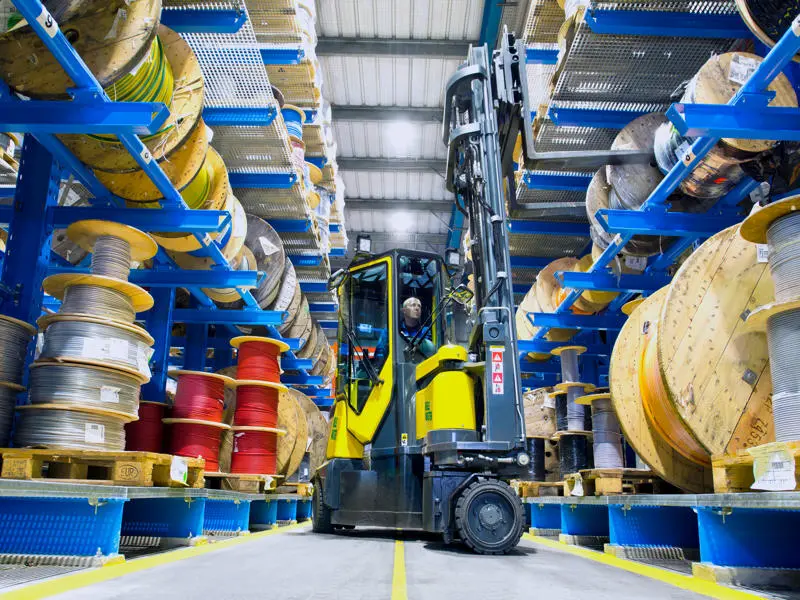
Forklifts are versatile machines used in a wide range of industries. Their adaptability means that businesses can choose models tailored to their specific operational requirements. Aisle Master applications demonstrate how forklifts are used in:
- Warehousing and Logistics – Efficiently storing and retrieving goods in high-density racking systems.
- Retail and E-Commerce – Handling fast-moving inventory in distribution centers and fulfillment hubs.
- Food and Beverage – Operating in temperature-controlled environments and moving perishable goods.
- Pharmaceuticals – Ensuring safe handling and storage of sensitive products.
- Manufacturing – Transporting raw materials and finished products within production facilities.
- Construction – Moving heavy materials and equipment on building sites.
Benefits of Using Advanced Forklifts
Incorporating advanced forklifts into your operations can offer a range of advantages:
- Space Optimization – Articulated forklifts, such as those from Aisle Master forklifts, allow businesses to reduce aisle widths and increase storage density without compromising accessibility.
- Improved Safety – Enhanced safety features protect operators and bystanders, reducing the risk of accidents and costly downtime.
- Lower Operating Costs – Electric models typically require less maintenance and have lower fuel costs compared to traditional forklifts.
- Greater Flexibility – Multi-purpose forklifts can handle a variety of tasks, minimizing the need for multiple machines.
- Increased Productivity – Faster cycle times and intuitive controls help operators move more goods in less time.
How Aisle Master Forklifts Stand Out
Aisle Master specializes in articulated forklifts designed for narrow aisle applications. Their forklifts are engineered to help businesses get more from their existing warehouse space by allowing for denser racking systems. Some distinguishing features include:
- Ability to operate in aisles as narrow as 1.6 meters.
- High lift capacities, suitable for tall racking systems.
- Electric and LPG models to suit different operational needs.
- Robust safety features, including ergonomic cabs and enhanced visibility.
- Customizable options to meet specific industry requirements.
Choosing the Right Forklift for Your Business
Selecting the appropriate forklift depends on several factors:
- Warehouse Layout – Narrow aisles require articulated or reach trucks, while open spaces can accommodate counterbalance models.
- Load Requirements – Consider the maximum weight and height your forklift needs to handle.
- Fuel Type – Electric forklifts are ideal for indoor use, while LPG or diesel may be better for outdoor or heavy-duty operations.
- Frequency of Use – High-usage environments benefit from ergonomic designs and advanced safety features.
- Industry Regulations – Some industries, such as food or pharmaceuticals, require forklifts that meet strict hygiene and safety standards.
Questions to Ask When Evaluating Forklifts
- What aisle width do I have in my warehouse?
- What is the typical load size and weight?
- Will the forklift be used indoors, outdoors, or both?
- How important is operator comfort and safety?
- What is my budget for purchase and ongoing maintenance?
Forklift Maintenance and Operator Training
Maintaining forklifts is essential for safe and efficient operation. Regular inspections, timely repairs, and adherence to manufacturer guidelines help extend the lifespan of the equipment. Key maintenance tasks include:
- Daily safety checks (brakes, tires, lights, hydraulics)
- Battery or fuel system inspections
- Lubrication of moving parts
- Cleaning and replacing filters
- Monitoring wear and tear on forks and chains
Operator training is another critical aspect. Well-trained operators are less likely to be involved in accidents and can handle forklifts more efficiently. Many businesses invest in certification programs to ensure compliance with local regulations and industry standards.
Trends in Forklift Technology
As industries evolve, so does forklift technology. Some of the latest trends include:
- Automation – Automated guided vehicles (AGVs) are being integrated into warehouse operations for repetitive tasks.
- Telematics and IoT – Real-time monitoring for predictive maintenance, usage analytics, and fleet management.
- Energy Efficiency – Lithium-ion batteries are replacing traditional lead-acid batteries, offering faster charging and longer life.
- Enhanced Ergonomics – Adjustable seats, intuitive controls, and climate-controlled cabs improve operator comfort.
- Safety Enhancements – Proximity sensors, collision avoidance systems, and advanced alarms are becoming standard.
Aisle Master continues to incorporate these innovations into their range, helping businesses stay ahead in a competitive market.
Industry-Specific Forklift Solutions
Different industries have unique challenges and requirements. Aisle Master applications showcase how tailored forklift solutions can address these needs:
- Cold Storage – Forklifts with corrosion-resistant components and heaters for use in low-temperature environments.
- Food & Beverage – Hygienic designs and materials for safe handling of consumables.
- Pharmaceuticals – Precision handling and documentation features for compliance and traceability.
- Manufacturing – Heavy-duty models for transporting large and bulky materials.
Resources for Further Information
For more details on the latest models, features, and industry solutions, visit the Aisle Master forklifts page. To explore how forklifts are used in different sectors, see the Aisle Master applications section. The main Aisle Master website provides comprehensive information on products, support, and innovations in forklift technology.