At Davis Tree Service, we believe that healthy trees start from the base up. While many homeowners think only about trimming branches or removing dead limbs, one of the most critical but often overlooked services is root collar excavation. If you’re in Montgomery, TX or surrounding areas, you’ve come to the right company—our certified team is ready to serve you. Visit our homepage at Davis Tree Service to learn more.
In this article, we’ll explain:
-
What root collar excavation is
-
Why it matters in Montgomery and East Texas
-
How our process works
-
Signs your tree may need this service
-
Benefits and risks
-
Why Davis Tree Service is your best choice
-
FAQs and practical tips for local homeowners
1. What Is Root Collar Excavation?
The root collar (sometimes called the root flare or root crown) is that transitional zone where the trunk meets the root system. Under ideal conditions, the root collar is visible or just slightly below grade, and the trunk flares outward into the roots. But in many landscapes, soil, mulch, or debris gradually bury this junction, which can cause serious stress or decline in the tree.
Root collar excavation is the careful removal of excess soil, mulch, or other material around the base of the tree to expose the root collar and root flare. This gives the tree a chance to breathe, helps prevent decay or rot, and allows for proper inspection of underlying root issues, such as girdling roots or trunk stress.
In many professional arboriculture practices, root collar excavation is paired with air-spading (using compressed air to gently remove soil) to minimize damage to fine roots.
If you’re curious about our full suite of tree care options including trimming, removal, stump grinding, cabling/bracing, and more, check out our services page: Davis Tree Service Services.
2. Why Root Collar Excavation Is Especially Important in Montgomery, TX
a. Local Soil and Mulch Practices
In Montgomery County and the broader East Texas region, our climate—hot summers, high humidity, occasional flooding or heavy rains—means soil and moisture dynamics are especially important. Excess mulch or shifting soil levels around trees is a common issue in local landscapes, especially with aggressive landscaping or gardening practices.
Over time, residents may add layers of mulch, build up soil, or fail to monitor the base of the tree. That gradually buries the root collar, creating anaerobic (oxygen-poor) conditions and moisture retention that can damage trunk tissues and promote rot.
b. Girdling Roots & Buried Collars
Trees planted deeply, or those that have had their trunk base buried over time, are at risk of developing girdling roots—roots that wrap around the trunk or interfere with vascular tissues. These constrict flow of water and nutrients, strangling the tree over years.
In Montgomery’s environment, trees already face stressors from drought, pests, heat, and storms. A compromised root collar only worsens the tree’s resilience.
c. Preserving Mature Trees & Enhancing Tree Value
Many homeowners in Montgomery have older, valuable trees—oaks, elms, pines, maples—that are part of the property’s character. Root collar excavation is one of the few corrective measures that can rehabilitate a struggling tree without full removal. By intervening early, we can often preserve canopy, structural integrity, and long-term viability.
3. Our Root Collar Excavation Process in Montgomery, TX
At Davis Tree Service, we follow a careful, multi-step method to ensure the excavation is effective, safe, and sustainable for the tree. Below is our typical workflow:
Step 1: Initial Assessment & Planning
-
We begin with a thorough site inspection. We look for signs that the root collar is buried (e.g. missing root flare, bulging bark lines, trunk swelling) and check surrounding soil, mulch layers, and drainage.
-
We map out safe working zones, paying attention to root distribution, existing sprinkler lines, utilities, and nearby structures.
-
We explain to the homeowner what we expect to find (girdling roots, root decay, etc.) and plan accordingly.
Step 2: Preparing the Area
-
Remove surface mulch, sod, or groundcover in a radius around the trunk (often 18–24″ or more, depending on tree species and size).
-
Mark or protect utility lines or other sensitive features (pipes, irrigation, electrical, etc.).
Step 3: Excavation Using Air-Spade / Gentle Methods
-
We prefer an air spade or compressed air excavation tool to remove soil gently without damaging fine roots. This method is recognized in arboriculture best practices for root collar work.
-
The air spade is used at a controlled angle (often around 45°) and worked carefully to uncover roots without cutting them.
-
In more compact or rocky soils, complementary mechanical hand tools may be used—but always with care to avoid root injury.
Step 4: Root Inspection & Pruning
-
Once the collar is exposed, we inspect for root decay, crossing or girdling roots, adventitious roots, and structural abnormalities.
-
We prune or remove harmful roots—e.g. roots that wrap around the trunk or strangulate vascular flow.
-
We may reposition or “tease” certain roots to direct their growth outward rather than encircling.
Step 5: Grading & Root Zone Restoration
-
After pruning, we backfill with appropriate, well-draining soil, carefully layering in a way that encourages root reestablishment.
-
We may incorporate soil amendments or organic matter if beneficial to the tree’s recovery (depending on species, soil conditions, and health status).
-
Final grade is established so that root flare is visible or slightly exposed, and water drainage is away from the trunk.
Step 6: Mulch & Maintenance
-
We apply a proper layer of mulch (usually 2–4 inches) around the newly exposed root collar, avoiding mulch volcano practices.
-
We monitor the area over time, checking for re-burying, soil settlement, or root re-growth.
-
We sometimes recommend follow-up health treatments (fertilizer, watering regimes, aeration, etc.).
Step 7: Ongoing Monitoring
-
We return after an agreed-upon interval (6–12 months) to inspect success, make adjustments, and ensure the collar remains exposed.
-
We track improvements in canopy vigor, leaf size, growth, and absence of decline symptoms.
4. Signs That Your Tree in Montgomery Needs Root Collar Excavation
How do you tell whether a tree is suffering from a buried root collar? Here are common warning signs:
| Sign | What to Look For |
|---|---|
| No visible root flare | The trunk appears like a straight pole into the soil, with no trunk flare at the base. |
| Excessive mulch or “mulch volcano” | Mulch piled high around the trunk, often touching or exceeding the bark. |
| Poor performance despite watering | Tree is still stressed despite irrigation—due to root suffocation. |
| Symptoms of decline | Yellowing leaves, dieback, branch thinning, crown decline. |
| Trunk decay or discoloration at base | Soft, rotted, or sunken bark areas near ground level. |
| Roots protruding above soil or circling trunk | Surface roots that wrap around or press against the trunk. |
If you see one or more of these in your trees in Montgomery or nearby areas, contact us for a free inspection. Early intervention is key to saving the tree.
5. Benefits, Risks, and What to Expect
Benefits of Root Collar Excavation
-
Improved gas exchange: Exposing the root collar allows oxygen to reach trunk tissues and roots more efficiently, enhancing tree metabolism and resilience.
-
Reduced rot and decay: Eliminating excess moisture and soil from the collar reduces fungal and bacterial risks.
-
Correcting girdling roots: Once exposed, harmful roots can be pruned or re-trained.
-
Extended tree lifespan: The intervention can save many trees that would otherwise decline or need removal.
-
Value preservation: For mature, desirable trees, this service is often more cost-effective than removal and replacement.
-
Differentiated service: From a business perspective, offering root collar excavation sets a company apart and allows premium service offerings.
Risks and Considerations
-
Root damage: If done improperly, excavation can injure fine roots, weakening the tree. That’s why we use air-spade and caution.
-
Cost: It’s a more specialized service, so expectations should be managed—especially in complex soils or large trees.
-
Partial results: In some cases, multiple excavations over years may be necessary, especially for severely buried situations.
-
Post-excavation stress: Some trees may experience temporary stress—so care, watering, and monitoring are essential.
-
Site constraints: In tight landscapes or near structures, careful planning is needed to avoid collateral damage.
Overall, when performed by experienced arborists (like our team at Davis Tree Service), the risks are low and the upside is considerable.
6. Why Choose Davis Tree Service for Root Collar Excavation in Montgomery, TX
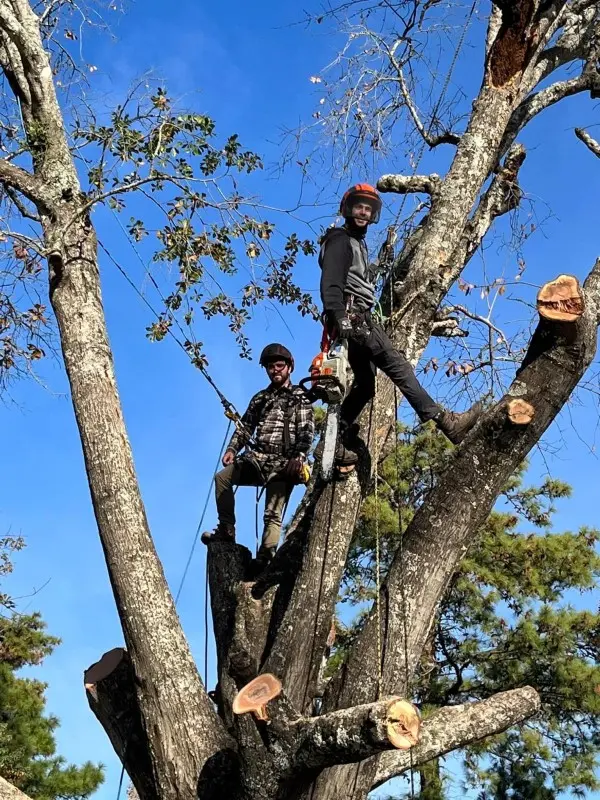
We don’t just say we’re experts—we show it in our practices, local commitment, and service philosophy. Here’s what sets us apart:
1. Local, Licensed, and Insured
We are a Texas-based, locally rooted company that adheres to all local regulations, licensing, and safety standards. Our customers in Montgomery County know we’re reliable, professional, and accountable.
2. Certified Arborist Leadership
Our owner-operator, Ryan Davis, is a certified arborist. We bring arboricultural science—not just brute force—to every tree we treat.
3. State-of-the-Art Techniques & Tools
We use air-spade excavation and best-practice methods to minimize root damage, maximize exposure, and protect your tree’s long-term health.
4. Comprehensive Tree Care
Root collar excavation is just one of the many services we provide. Whether you need trimming, removal, stump grinding, cabling & bracing, or emergency work, we offer full service. Check out our full line of offerings at Davis Tree Service Services.
5. Client Education & Transparency
We believe in walking you through the process—so you understand why we’re doing what we do. We provide free estimates, clear proposals, before/after photos, and ongoing support.
6. Proven Local Reputation
Our clients in Montgomery and surrounding communities frequently praise us for professionalism, cleanup, affordability, and follow-through.
When you work with us, you’re getting a partner invested in your tree’s longevity and your property’s aesthetics.
7. FAQs & Practical Tips for Homeowners
Q: How long does root collar excavation take?
A: It depends on tree size, soil conditions, and complexity. For a medium tree, plan for a few hours to a full day. Larger trees or challenging soil may require more time or multiple visits.
Q: Is excavation guaranteed to save the tree?
A: While many trees respond very well, the success depends on tree health, species, how deeply the collar is buried, and post-treatment care. We provide realistic assessments during inspection.
Q: Will the trunk be exposed and vulnerable?
A: Not permanently. After excavation and backfill, we reapply mulch properly and ensure proper grading to protect the trunk and roots.
Q: What about watering or fertilizing afterward?
A: Yes. Proper watering, moderate fertilization (if needed), and soil care help support recovery. We advise clients on a maintenance plan.
Q: How do I avoid re-burying the root collar?
A: Use no more than 2–4 inches of mulch, avoid piling mulch against the trunk (no “mulch volcanoes”), and check the grade periodically for soil settlement.
Q: What’s the cost?
A: Costs vary widely by tree size, soil complexity, accessibility, and additional root work needed. We always give a free estimate and break down the components.
Q: Can I DIY root collar excavation?
A: It’s risky. Amateur digging often injures fine roots, introduces pathogens, or worsens tree health. It’s best done by experienced arborists with proper tools.
8. Final Thoughts & Call to Action
Root collar excavation is not a glamorous service, but it’s one of the most effective and tree-preserving interventions available. For homeowners in Montgomery, TX, investing in this essential process can often mean the difference between tree decline and renewed vitality.
If you suspect your trees may be struggling due to buried root flare, declining health, or slow growth, reach out to us. We’ll work with you to assess, plan, and execute a personalized solution that fits your property and tree goals.
To schedule your free estimate or to learn more about all the services we offer, please visit our home page: Davis Tree Service or explore our complete service offerings at Davis Tree Service Services.
Thank you for entrusting us with your trees—we’re proud to be your local tree care expert in Montgomery, TX.