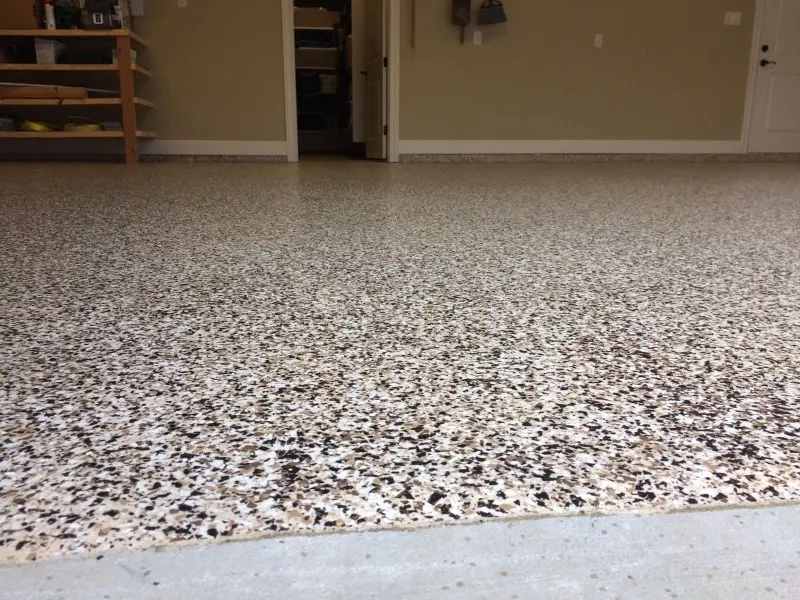
Epoxy flooring delivers a combination of strength, appearance, and long-term value. It transforms ordinary concrete surfaces into durable, easy-to-maintain floors that handle heavy use without losing appeal. Epoxy Garage Floor provides installation services for both residential and commercial clients, supported by a wide selection of color flakes and finishes.
What Epoxy Flooring Provides
Epoxy is a two-part system that bonds directly to concrete. Once applied, it creates a hard, non-porous surface that resists wear, chemicals, and moisture. This makes it one of the most practical solutions for garages, workshops, showrooms, and high-traffic facilities.
Key benefits include:
-
High resistance to oil, salt, and common household chemicals.
-
A seamless surface that is easy to clean.
-
Decorative options that customize the look of each floor.
-
Long service life with minimal maintenance.
Residential Epoxy Flooring
Homeowners rely on residential epoxy flooring to improve the look and functionality of garages, basements, and outdoor spaces.
Garage Floors
Epoxy prevents oil stains from penetrating concrete. The smooth finish makes sweeping and mopping quick.
Basements
Moisture resistance helps prevent mold and mildew. Decorative flakes add a polished look that resembles tile or stone.
Patios and Driveways
UV-resistant coatings extend outdoor use. Slip-resistant textures maintain safety in wet conditions.
Commercial Epoxy Flooring
Businesses require flooring that can withstand constant use. Commercial epoxy flooring provides the strength to handle heavy equipment, vehicle traffic, and large crowds.
Applications include:
-
Retail stores
-
Warehouses
-
Automotive shops
-
Restaurants
-
Medical facilities
In each case, epoxy flooring reduces downtime by extending surface life and minimizing repair needs.
Color and Flake Options
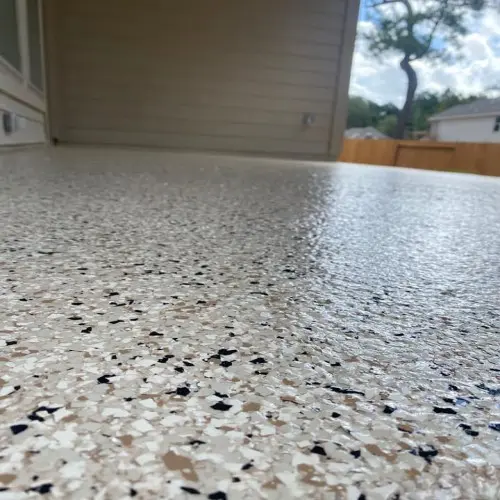
Color flakes allow clients to personalize floors. Options range from subtle neutrals to bold multi-color blends.
-
Solid colors provide a uniform finish, often used in commercial or minimalist spaces.
-
Blended flakes create texture, disguise dirt, and add depth.
-
Custom mixes align with brand colors or personal preferences.
Comparison of Flooring Options
The chart below compares epoxy flooring to other common finishes.
| Feature | Bare Concrete | Tile Flooring | Epoxy Flooring |
|---|---|---|---|
| Durability | Moderate | High | Very High |
| Chemical Resistance | Low | Moderate | High |
| Ease of Cleaning | Low | Moderate | High |
| Customization | Limited | Moderate | Wide range |
| Cost Over Time | High (repairs) | High (replacement) | Low (longevity) |
Epoxy outperforms alternatives in durability and maintenance while offering broader customization.
Installation Process
Each project follows a defined sequence to ensure a long-lasting finish.
-
Surface Preparation — grinding or shot blasting removes imperfections and opens concrete pores.
-
Base Coat Application — resin is applied evenly across the surface.
-
Flake Broadcasting — color flakes are spread to achieve coverage and design preferences.
-
Top Coat Sealing — a protective clear coat locks flakes in place and adds gloss or matte finish.
This multi-step process ensures strong adhesion and consistent appearance.
Cost Considerations
Pricing depends on square footage, existing surface condition, and chosen finish.
Typical ranges:
-
Residential garage floors: $3–$7 per square foot.
-
Commercial projects: $5–$12 per square foot depending on traffic load and customization.
Epoxy floors last longer than alternatives, which lowers total cost of ownership over time.
Maintenance and Care
Maintenance is straightforward:
-
Sweep or vacuum regularly.
-
Mop with mild detergent and water as needed.
-
Avoid harsh cleaners that break down protective coatings.
-
Apply slip-resistant additives in areas exposed to water.
With proper care, epoxy floors maintain appearance for 10–20 years.