Introduction to Warehouse Planning with Aisle Master
Efficient warehouse planning is fundamental for businesses seeking to streamline operations, maximize storage, and improve productivity. Aisle Master specializes in providing innovative solutions tailored to modern warehousing needs. Leveraging advanced technology and expertise, the company enables businesses to reimagine their warehouse layouts and operational workflows, resulting in tangible improvements across the supply chain.
The Importance of Strategic Warehouse Planning
Warehouse planning involves the systematic arrangement of resources, equipment, and inventory to optimize space, enhance safety, and facilitate smooth material flow. By integrating warehouse planning with Aisle Master, organizations can address common challenges such as space limitations, inefficient picking routes, and bottlenecks in workflow. The process includes analyzing current operations, forecasting future requirements, and implementing solutions that support growth and adaptability.
Key Elements of Effective Warehouse Planning
- Layout Design: Optimizing the physical arrangement for maximum space utilization.
- Equipment Selection: Choosing the right forklifts and handling equipment to suit specific needs.
- Inventory Management: Implementing systems for accurate stock control and movement.
- Safety Protocols: Ensuring compliance with safety standards and minimizing risks.
- Scalability: Designing flexible layouts that can adapt to changing business requirements.
How Aisle Master Enhances Warehouse Planning
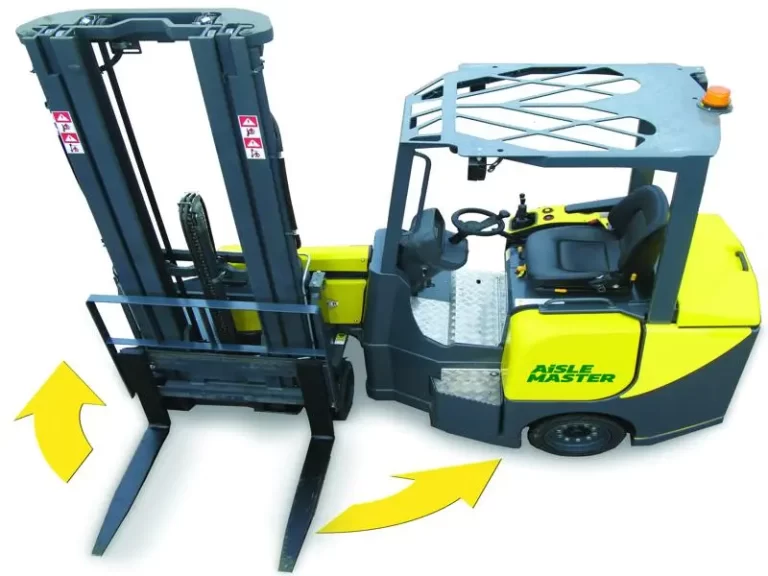
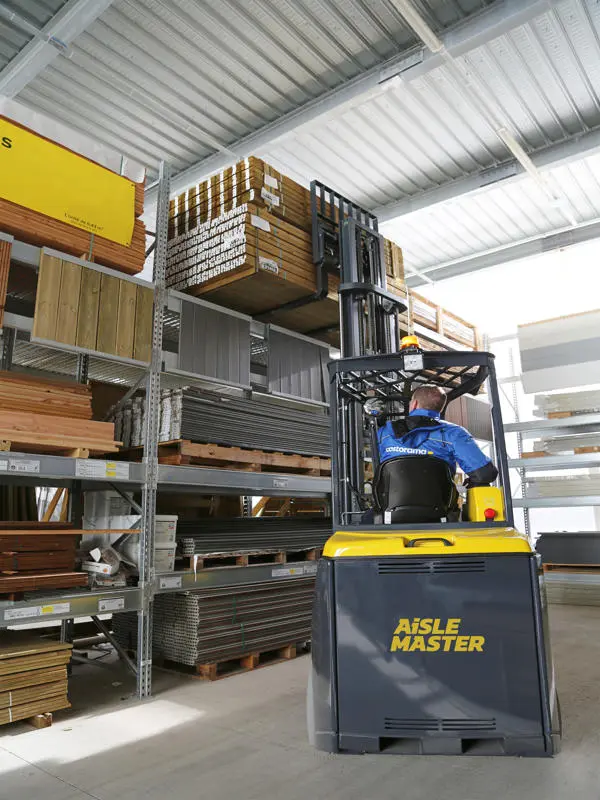
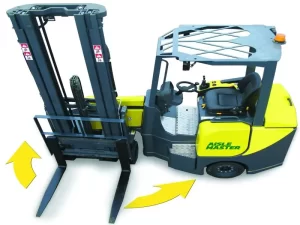
Specializing in articulated forklifts and space-saving solutions, Aisle Master transforms how companies approach warehouse planning. Their products are engineered to operate in very narrow aisles, allowing businesses to increase storage density without expanding their footprint. By working with Aisle Master’s warehouse planning team, companies can receive customized recommendations that align with their operational goals.
Benefits of Using Aisle Master Forklifts
- Space Optimization: Articulated forklifts can operate in aisles as narrow as 1.6 meters, increasing racking capacity by up to 50%.
- Enhanced Productivity: Faster picking and put-away times due to improved maneuverability.
- Reduced Costs: Lower energy and real estate costs by maximizing existing space.
- Improved Safety: Advanced safety features and ergonomic design reduce the risk of accidents.
- Environmental Benefits: Electric models minimize emissions and contribute to sustainability goals.
Warehouse Planning Process with Aisle Master
Partnering with Aisle Master involves a collaborative approach to warehouse planning. The process typically includes:
- Initial Assessment: Reviewing current warehouse layout, inventory profiles, and operational workflows.
- Data Analysis: Using advanced modeling tools to simulate different layout scenarios and identify optimal configurations.
- Solution Design: Recommending forklift models, racking systems, and workflow adjustments tailored to the client’s needs.
- Implementation: Coordinating equipment installation, staff training, and process integration.
- Continuous Improvement: Monitoring performance metrics and making ongoing adjustments to ensure long-term efficiency.
Case Study: Transforming Warehouse Efficiency
One company faced significant storage constraints and inefficient picking routes. By consulting with Aisle Master’s experts and adopting articulated forklifts, the business increased its racking capacity by 40% and reduced order fulfillment times by 30%. These results were achieved without any expansion of the warehouse footprint, showcasing the effectiveness of warehouse planning with Aisle Master.
Key Strategies for Successful Warehouse Planning
To ensure that warehouse planning delivers optimal results, organizations should consider the following strategies:
- Conduct a Space Utilization Audit: Assess how current space is being used and identify underutilized areas.
- Adopt Flexible Racking Systems: Implement racking that can be easily reconfigured as inventory needs change.
- Integrate Technology: Use warehouse management systems (WMS) for real-time inventory tracking and data-driven decision making.
- Prioritize Safety and Ergonomics: Design workflows and select equipment that reduce strain and improve operator safety.
- Plan for Scalability: Anticipate future growth and ensure that layouts can accommodate increased volumes.
Comparing Traditional vs. Aisle Master Solutions
| Feature | Traditional Forklifts | Aisle Master Forklifts |
|---|---|---|
| Minimum Aisle Width | 3.5–4.0 meters | 1.6–2.0 meters |
| Storage Capacity | Standard | Up to 50% higher |
| Maneuverability | Limited | Excellent (articulated design) |
| Energy Efficiency | Varies | High (electric models available) |
| Operator Ergonomics | Standard | Enhanced comfort and visibility |
Integrating Aisle Master into Your Warehouse
Adopting Aisle Master solutions begins with a thorough evaluation of your existing warehouse operations. Their team collaborates with clients to identify opportunities for improvement and customizes solutions that align with specific business objectives. Whether you’re looking to increase storage capacity, improve order accuracy, or enhance safety, Aisle Master’s approach to warehouse planning delivers measurable results.
Warehouse Planning Tools and Resources
Aisle Master provides a range of planning tools and resources to support clients throughout the process. These include layout design software, site surveys, and expert consultations. Their warehouse planning page offers detailed guides and insights into best practices for optimizing your facility.
Best Practices for Warehouse Planning with Aisle Master
Implementing best practices ensures that your investment in warehouse planning yields long-term benefits. Here are some actionable recommendations:
- Engage Stakeholders Early: Involve operations staff, safety officers, and IT teams in the planning process.
- Utilize Data-Driven Insights: Base decisions on accurate data regarding inventory flows, order volumes, and space utilization.
- Schedule Regular Reviews: Periodically assess warehouse performance and make adjustments as needed.
- Focus on Training: Ensure that staff are trained on new equipment and safety protocols.
- Leverage Expert Support: Take advantage of Aisle Master’s consultation services for ongoing guidance.
Frequently Asked Questions about Warehouse Planning with Aisle Master
- What types of warehouses benefit from Aisle Master solutions?
Any facility facing space constraints, high inventory turnover, or complex picking requirements can benefit from articulated forklifts and tailored planning. - How does Aisle Master help with safety?
Forklifts are designed with advanced safety features, and the planning process includes recommendations for safe layouts and workflows. - Is it possible to retrofit existing warehouses?
Yes, Aisle Master solutions are adaptable and can be integrated into both new and existing facilities. - What support does Aisle Master offer during implementation?
Clients receive comprehensive support, including site surveys, equipment installation, and operator training.
Resources for Further Information
For more detailed information on warehouse planning with Aisle Master, visit their warehouse planning resources or explore the full range of solutions on the Aisle Master website. These resources offer in-depth guides, case studies, and planning tools to support businesses in optimizing their warehouse operations.