
Introduction to Home Mold Inspections
For homeowners and property buyers, understanding the importance of home mold inspections is essential. Mold is a common issue that can develop in any home, regardless of age or location. Not only can it damage the structure of your property, but it can also have a significant impact on indoor air quality and overall health. This article explores why mold inspections are so critical and how professionals like SEI Home Inspections can help safeguard your investment.
What Is a Home Mold Inspection?
A home mold inspection is a thorough evaluation of a property to detect the presence of mold. Inspectors use specialized tools and techniques to identify visible and hidden mold growth. The process typically involves:
- Visual examination of the property
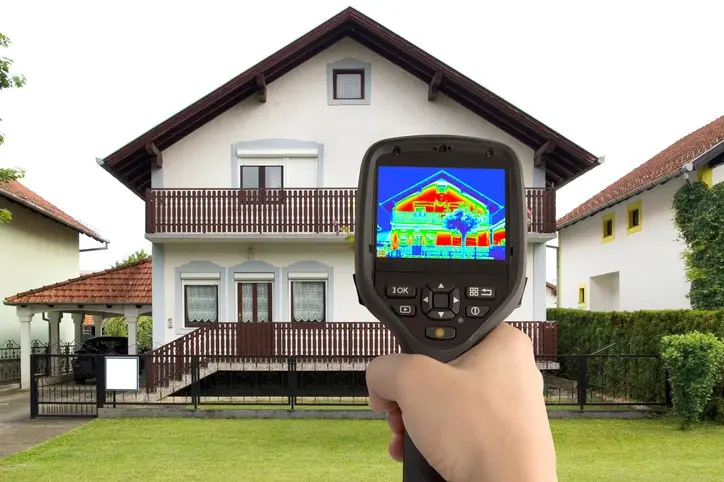
- Moisture mapping using infrared cameras
- Air and surface sampling for laboratory analysis
- Documentation of affected areas
Companies like SEI Home Inspections offer comprehensive services to ensure your home is thoroughly checked for mold.
Why Are Home Mold Inspections So Critical?
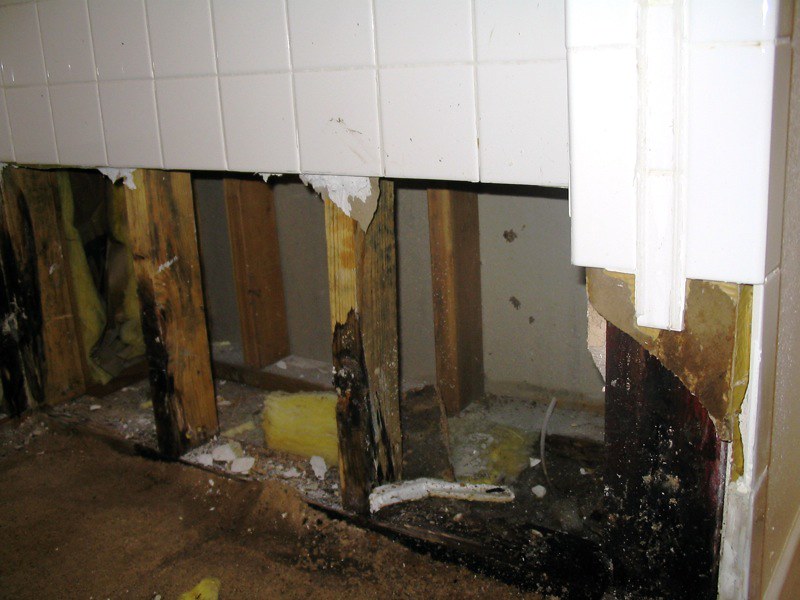
The significance of home mold inspections goes beyond surface-level cleanliness. Mold can thrive in hidden spaces, such as behind walls, under floors, and in attics or basements. The following sections explain the critical reasons for conducting regular inspections.
1. Protecting Health and Well-being
Mold spores can trigger a range of health problems, especially for individuals with allergies, asthma, or weakened immune systems. Common symptoms include:
- Nasal congestion and sneezing
- Eye and skin irritation
- Persistent cough or wheezing
- Headaches and fatigue
Long-term exposure can exacerbate respiratory conditions and contribute to more serious health issues. Regular inspections help identify mold early, reducing health risks for your family.
2. Preserving Property Value
Mold can cause structural damage by breaking down building materials like wood, drywall, and insulation. Over time, this can lead to:
- Weakened support beams
- Stained or warped walls and ceilings
- Decreased property value
- Costly repairs
Scheduling a professional home inspection helps you catch issues before they become expensive problems.
3. Fulfilling Real Estate Transaction Requirements
Many real estate transactions require a mold inspection before closing. Buyers want assurance that the property is safe and free from hidden mold. Sellers benefit from addressing mold issues proactively, which can speed up the sales process and prevent last-minute negotiations.
4. Ensuring Insurance Coverage
Some homeowners insurance policies may exclude mold damage unless it is discovered and addressed promptly. Documenting regular mold inspections can be beneficial if you need to file a claim related to water damage or mold remediation.
How Mold Grows and Why It’s a Hidden Threat
Mold spores are everywhere in the environment, but they require moisture to grow and spread. Common sources of moisture in homes include:
- Leaking pipes or roofs
- Poor ventilation in bathrooms or kitchens
- Flooding or water intrusion
- Condensation on windows or walls
Once mold finds a suitable environment, it can begin to grow in as little as 24-48 hours. The table below outlines how quickly mold can develop under different conditions:
| Condition | Time to Mold Growth | Common Locations |
|---|---|---|
| High Humidity (Above 60%) | 24-48 hours | Bathrooms, basements, laundry rooms |
| Water Leak | 24-48 hours | Under sinks, behind walls, around windows |
| Poor Ventilation | 2-7 days | Attics, crawl spaces, closed rooms |
| Flooding | 24 hours | Basements, ground floors |
What to Expect During a Professional Home Mold Inspection
When you schedule a mold inspection with a provider like SEI Home Inspections, you can expect a systematic process designed to uncover both visible and hidden mold. Here’s an overview of the typical steps:
- Initial Consultation: The inspector will discuss any concerns and review the property’s history of water damage or leaks.
- Visual Inspection: Every accessible area is examined for signs of mold or moisture.
- Moisture Detection: Tools such as moisture meters and infrared cameras help identify hidden dampness.
- Sampling: Air and surface samples may be collected and sent to a laboratory for analysis.
- Detailed Report: After the inspection, you’ll receive a comprehensive report outlining findings, affected areas, and recommended actions.
For more information on the process, visit the home inspection services page.
Key Signs You May Need a Home Mold Inspection
While some mold is visible, much of it remains hidden. Consider scheduling a professional inspection if you notice any of the following:
- Musty or earthy odors
- Water stains on ceilings or walls
- Recent water leaks or flooding
- Peeling paint or wallpaper
- Unexplained health symptoms among household members
Even if you don’t see visible mold, these signs indicate that a thorough assessment by SEI Home Inspections could be beneficial.
Benefits of Professional Mold Inspection Services
Choosing a qualified professional provides several advantages over do-it-yourself methods:
- Expertise: Certified inspectors understand building science and mold behavior.
- Advanced Tools: Infrared cameras, moisture meters, and laboratory analysis provide accurate results.
- Objective Assessment: Unbiased findings help you make informed decisions about remediation and repairs.
- Documentation: Detailed reports are valuable for insurance, real estate, and maintenance records.
Preventing Mold Growth in Your Home
While regular inspections are essential, preventing mold growth is equally important. Here are practical tips to minimize the risk of mold:
- Fix leaks promptly and monitor areas prone to water intrusion.
- Maintain indoor humidity below 60% using dehumidifiers or air conditioners.
- Ensure proper ventilation in bathrooms, kitchens, and laundry rooms.
- Clean and dry areas affected by water within 24-48 hours.
- Use exhaust fans and open windows to improve airflow.
For more prevention strategies, consult the resources available on the SEI Home Inspections website.
Frequently Asked Questions about Home Mold Inspections
| Question | Answer |
|---|---|
| How often should I schedule a mold inspection? | Annually, or whenever you notice signs of water damage or musty odors. |
| Can I perform a mold inspection myself? | DIY kits are available but lack the accuracy and thoroughness of professional inspections. |
| Is mold always visible? | No, much of it grows in hidden areas. Professional tools can detect hidden mold and moisture. |
| What happens if mold is found? | The inspector will recommend remediation steps and may suggest a follow-up inspection after cleanup. |
Choosing the Right Home Mold Inspection Provider
When selecting a provider, consider their experience, certifications, and reputation. SEI Home Inspections offers licensed inspectors, advanced technology, and detailed reporting to ensure your property is safe and mold-free.
For a complete overview of their offerings, visit the home inspection services page.