
Pool Resurfacing and Plaster
Swimming pools are a significant investment for homeowners, providing a space for relaxation, exercise, and entertainment. Over time, however, the surface of a pool can deteriorate, becoming rough, stained, or even cracked. When this occurs, pool resurfacing and plaster become essential aspects of maintaining both the appearance and functionality of your pool. Backyard-A-Gan offers expert solutions to help you fix your rough pool and restore its original beauty.
Signs Your Pool Needs Resurfacing
Knowing when to resurface your pool is key to preventing further damage. Here are some common indicators that your pool may need professional resurfacing:
- Rough or abrasive surfaces: Walking on the pool floor feels uncomfortable, or you notice scrapes on your feet.
- Stains and discoloration: Persistent spots or faded areas that cleaning cannot remove.
- Chips and cracks: Visible cracks or missing pieces of plaster.
- Water loss: Unexplained drops in water level may signal underlying surface issues.
If you recognize any of these signs, it may be time to consult the professionals at Backyard-A-Gan for a thorough assessment.
What Is Pool Plaster?
Pool plaster is the final coating applied to the interior of concrete pools. It provides a smooth, watertight surface that enhances both the look and feel of your pool. Traditional pool plaster is typically a mixture of white cement, marble dust, and water, but modern options include colored plasters and aggregate finishes. Over time, exposure to chemicals, sunlight, and frequent use can cause the plaster to erode, making resurfacing necessary.
Types of Pool Plaster Finishes
- Standard white plaster: Classic and budget-friendly, offering a bright, clean appearance.
- Colored plaster: Adds a unique hue to your pool, allowing for customized aesthetics.
- Quartz and pebble finishes: Incorporate natural materials for improved durability and an attractive texture.
- Polished aggregates: Provide a smooth yet resilient finish with reflective qualities.
Why Does Pool Plaster Become Rough?
Several factors contribute to a rough pool surface. Chemical imbalances, such as low pH or high calcium hardness, can erode plaster over time. Inadequate maintenance, excessive brushing, and normal wear and tear also play a role. As the plaster ages, it may develop etching, scaling, or delamination, all of which can result in a rough texture that detracts from the pool experience.
How Pool Resurfacing Fixes a Rough Pool
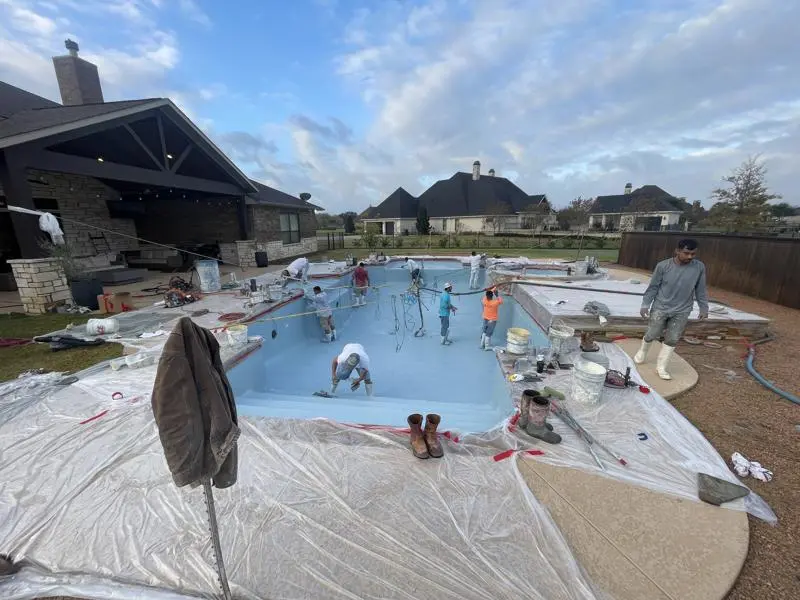
Pool resurfacing involves removing the damaged top layer of plaster and applying a new finish. This process not only restores the pool’s smoothness but also addresses underlying structural issues, improves water quality, and enhances visual appeal. Backyard-A-Gan’s pool resurfacing services are designed to fix your rough pool efficiently and effectively, ensuring a safe and enjoyable swimming environment.
The Pool Resurfacing Process
- Draining the pool: All water is removed to expose the pool interior.
- Surface preparation: The existing plaster is stripped away, and the surface is cleaned and repaired as needed.
- Application of new plaster: A fresh layer of plaster or alternative finish is applied, smoothed, and allowed to cure.
- Refilling and balancing: The pool is refilled, and water chemistry is carefully balanced.
Benefits of Professional Pool Resurfacing
- Enhanced comfort: A smooth, newly plastered surface eliminates abrasiveness and makes swimming more enjoyable.
- Improved aesthetics: Resurfacing rejuvenates the look of your pool, making it more inviting and visually appealing.
- Structural integrity: Addressing cracks and imperfections helps prevent leaks and further damage.
- Longer lifespan: Quality resurfacing extends the life of your pool, protecting your investment for years to come.
Choosing the Right Pool Company for Resurfacing
Selecting a reputable pool company is crucial for achieving the best results. Backyard-A-Gan’s pool company services cover all aspects of pool care, from resurfacing and plastering to ongoing maintenance. Their experienced team uses up-to-date techniques and quality materials to ensure lasting results.
What to Look for in a Pool Resurfacing Company
- Proven experience: Look for companies with a track record of successful pool resurfacing projects.
- Quality materials: The use of premium plaster and aggregate ensures durability and a beautiful finish.
- Transparent pricing: Clear, detailed estimates help you understand the scope and cost of the work.
- Customer service: Responsive, professional staff make the process smooth and stress-free.
Pool Surface Options: A Comparison Chart
| Surface Type | Durability | Appearance | Maintenance | Typical Lifespan |
|---|---|---|---|---|
| Standard White Plaster | Good | Classic, bright | Moderate | 7-10 years |
| Colored Plaster | Good | Custom hues | Moderate | 7-10 years |
| Quartz Finish | Very Good | Speckled, vibrant | Low | 10-15 years |
| Pebble Finish | Excellent | Textured, natural | Low | 15-20 years |
| Polished Aggregate | Excellent | Glossy, reflective | Low | 15-20 years |
Maintaining Your Pool After Resurfacing
Proper maintenance is essential to preserve the smoothness and appearance of your newly resurfaced pool. Regularly test and balance water chemistry, brush the pool walls and floor, and promptly address any signs of wear. Backyard-A-Gan provides ongoing maintenance options to help protect your investment and keep your pool in optimal condition.
Tips for Extending the Life of Your Pool Plaster
- Monitor pH, alkalinity, and calcium hardness levels.
- Use a pool brush to prevent algae and mineral buildup.
- Address small cracks or chips promptly to avoid larger issues.
- Schedule annual inspections with a professional pool company.
Frequently Asked Questions About Pool Resurfacing
How often should I resurface my pool?
The frequency depends on the type of finish and maintenance practices. Standard plaster pools usually need resurfacing every 7-10 years, while aggregate finishes can last up to 20 years.
What is the best time of year to resurface a pool?
Spring and fall are popular times, but resurfacing can be done year-round, depending on your climate and the availability of professional services like those from Backyard-A-Gan.
Can I change the appearance of my pool when resurfacing?
Yes, resurfacing is an opportunity to update your pool’s look with new colors and textures. Explore the options offered by Backyard-A-Gan’s pool resurfacing team to find a style that fits your preferences.
How long does the resurfacing process take?
Most pool resurfacing projects are completed in 7-10 days, depending on the pool size, chosen finish, and weather conditions.
Why Choose Backyard-A-Gan for Pool Resurfacing and Plaster?
Backyard-A-Gan is dedicated to delivering reliable pool resurfacing and plaster solutions that address a range of issues, from rough surfaces to structural repairs. Their comprehensive pool company services include everything required to fix your rough pool and maintain its condition long-term. Their approach combines skilled workmanship with high-quality materials, ensuring a result that meets your expectations.
Get Started with Your Pool Resurfacing Project
If you are ready to fix your rough pool, contact the experts at Backyard-A-Gan. Their team will guide you through every step, from initial inspection to final touches, ensuring your pool is both beautiful and functional for years to come. Explore their pool resurfacing options and comprehensive pool company services to find the right solution for your needs.