Understanding the Combi-CS and Its Role in Modern Warehousing
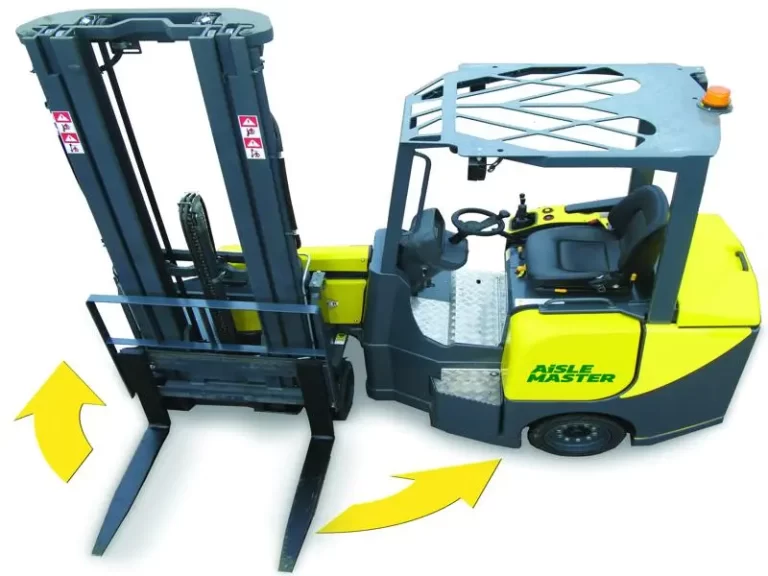
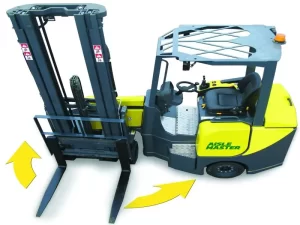
Warehouse operations are evolving rapidly, driven by the need for improved efficiency, safety, and flexibility. The Combi-CS, a counterbalance stacker developed by Combilift and featured on Aisle Master’s website, is a prime example of innovation in materials handling. This equipment is designed to address common challenges in storage, retrieval, and movement of goods, making it a valuable asset for diverse industries.
What Is the Combi-CS?
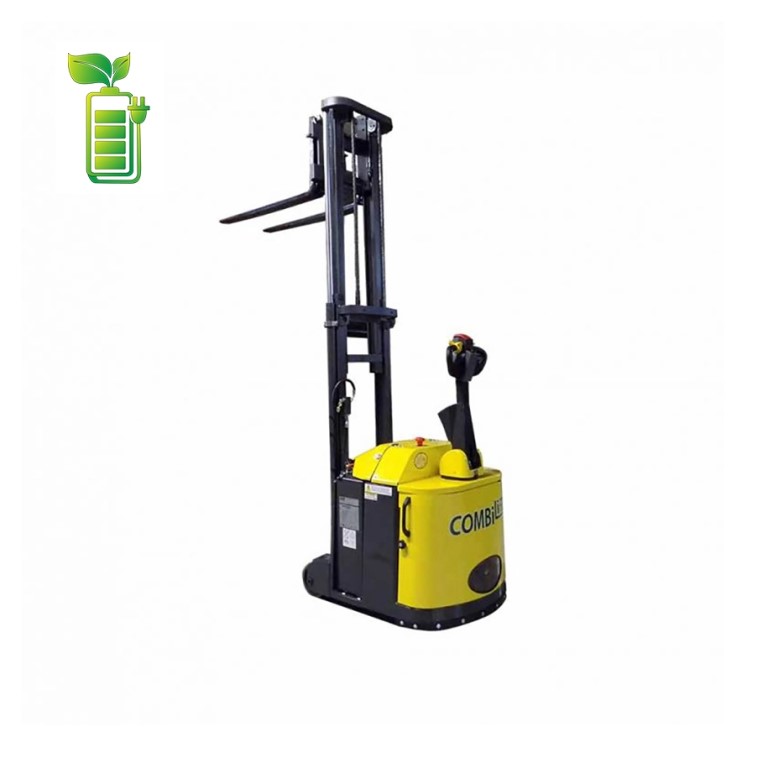
The Combi-CS is a pedestrian-operated counterbalance stacker engineered for ease of use in confined spaces. Unlike traditional forklifts, the Combi-CS offers enhanced maneuverability and operator visibility, significantly reducing the risks associated with warehouse traffic. Its compact design and advanced safety features make it suitable for environments where space optimization is a priority.
Key Features of the Combi-CS
- Patented Multi-Position Tiller Arm: Allows operators to stand to the side, improving visibility and reducing the risk of crush injuries.
- Compact Design: Enables operation in tight aisles and congested areas.
- High Lifting Capacity: Handles a variety of pallet sizes and weights efficiently.
- Operator Safety: Advanced safety systems and ergonomic controls.
- Electric Power: Reduces emissions and noise, suitable for indoor environments.
Advantages of Using the Combi-CS in Warehouses
Integrating the Combi-CS into warehouse operations brings several advantages. Its unique features address both productivity and safety, two critical factors in modern logistics. The Combi-CS is particularly effective in facilities seeking to maximize storage density without compromising on operational flow.
Enhanced Space Utilization
The compact footprint of the Combi-CS allows warehouses to reduce aisle widths, thereby increasing available storage space. This is especially beneficial for businesses dealing with limited real estate or those aiming to expand storage capacity without relocating.
Improved Safety and Ergonomics
With its multi-position tiller arm, the Combi-CS minimizes the risk of operator injury by allowing the user to maintain a safe distance from the machine during operation. The electric drive system also provides smooth acceleration and deceleration, reducing the risk of accidents.
Versatility Across Applications
The Combi-CS is engineered for flexibility, handling a broad range of loads, from pallets to long or irregularly shaped items. This versatility makes it a preferred choice for sectors such as retail, manufacturing, pharmaceuticals, and food distribution.
How the Combi-CS Compares to Traditional Forklifts
When evaluating materials handling equipment, it is useful to compare the Combi-CS with conventional forklifts. While both serve similar purposes, several distinctions make the Combi-CS a compelling alternative for specific applications.
| Feature | Combi-CS | Traditional Forklift |
|---|---|---|
| Operator Position | Pedestrian, side-standing | Seated, onboard |
| Maneuverability | High (narrow aisles) | Moderate (wider aisles needed) |
| Safety | Enhanced by tiller arm | Standard safety systems |
| Power Source | Electric | Electric, diesel, or LPG |
| Noise & Emissions | Low | Varies |
| Load Handling | Wide range | Wide range |
Applications of the Combi-CS
The Combi-CS is suitable for a variety of warehouse and industrial environments. Its adaptability extends to:
- Retail Warehouses: Where frequent stock rotation and narrow aisles are common.
- Distribution Centers: Demanding quick movement of goods and high storage density.
- Manufacturing Plants: Managing raw materials and finished products in tight spaces.
- Cold Storage Facilities: Where maneuverability and safety are paramount due to environmental conditions.
- Pharmaceutical Warehouses: Requiring clean, emission-free handling of sensitive goods.
Key Specifications of the Combi-CS
Understanding the technical specifications of the Combi-CS is essential for selecting the right model for your operation. The Combi-CS Counterbalance Stacker is available in various configurations to suit different load requirements.
| Specification | Detail |
|---|---|
| Lifting Capacity | Up to 1,000 kg |
| Lift Height | Up to 2,500 mm |
| Power Source | Electric battery |
| Operator Type | Pedestrian |
| Turning Radius | Extremely tight |
Choosing Between Combi-CS and Other Forklifts
While the Combi-CS is ideal for many applications, businesses may also consider other forklift options. The range of forklifts from Aisle Master includes articulated, reach, and counterbalance models, each tailored to specific operational needs. Factors to consider when choosing between the Combi-CS and other forklifts include:
- Warehouse Layout: Narrow aisles favor the Combi-CS, while larger spaces may benefit from traditional forklifts.
- Load Types: Irregular or heavy loads may require specialized equipment.
- Operator Skill Levels: The pedestrian design of the Combi-CS can simplify training and reduce onboarding time.
- Safety Requirements: Enhanced safety features of the Combi-CS may align with organizational safety policies.
Innovations in Counterbalance Stacker Technology
Recent advances in warehouse technology have focused on automation, digital integration, and ergonomics. The Combi-CS exemplifies these trends, offering features such as:
- Ergonomic Controls: Reduce operator fatigue and improve productivity.
- Smart Safety Systems: Help prevent accidents and ensure compliance with industry standards.
- Digital Monitoring: Enables tracking of usage and maintenance schedules.
Industry Impact
By adopting advanced equipment like the Combi-CS, warehouses can achieve higher throughput, better space utilization, and lower operational risks. These improvements contribute to overall business performance and customer satisfaction.
Maintenance and Service Considerations
Proper maintenance is essential for maximizing the lifespan and performance of the Combi-CS. Regular inspections, battery checks, and adherence to manufacturer guidelines help prevent downtime and costly repairs. Many suppliers offer tailored service packages to support ongoing operational needs.
Training and Certification for Combi-CS Operators
Safe and efficient operation of the Combi-CS requires appropriate training. Most operators can become proficient quickly due to the intuitive controls and pedestrian design. Certification programs are available to ensure compliance with occupational safety regulations and best practices.
Environmental Benefits of the Combi-CS
The electric powertrain of the Combi-CS contributes to a cleaner work environment. With no emissions and reduced noise, it is well-suited for indoor use and sensitive industries such as food and pharmaceuticals. Energy-efficient operation also helps lower utility costs over time.
Frequently Asked Questions About the Combi-CS
- What types of loads can the Combi-CS handle? The Combi-CS is designed for pallets, containers, and irregularly shaped goods within its rated capacity.
- Can the Combi-CS operate in very narrow aisles? Yes, its compact design and tight turning radius make it ideal for narrow aisle applications.
- Is it suitable for outdoor use? The Combi-CS is primarily intended for indoor use, but some models can handle limited outdoor conditions depending on the environment.
- How long does the battery last? Battery life depends on usage patterns, but most Combi-CS models offer a full shift of operation on a single charge.
- Where can I learn more? Visit Aisle Master’s website for detailed product information and support.
Additional Resources
For further details about the Combi-CS and other materials handling solutions, explore the Combi-CS Counterbalance Stacker product page and the comprehensive forklifts catalog from Aisle Master. These resources provide technical documentation, case studies, and contact information for sales and support teams.