
Understanding the Difference: Sealed Concrete vs Stained Concrete
Concrete is a versatile material used in residential, commercial, and industrial settings. When it comes to finishing concrete floors, two popular options are sealed concrete and stained concrete. Both offer unique benefits and aesthetics, but their applications, maintenance requirements, and costs can differ significantly. This guide will explore the differences between sealed concrete vs stained concrete, helping Montgomery homeowners make informed decisions for their garages, patios, or interior floors.
What Is Sealed Concrete?
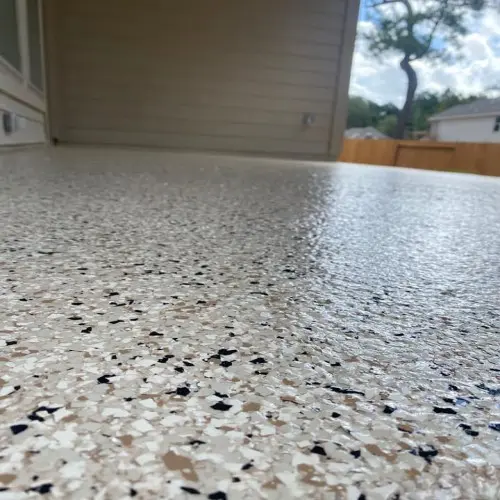
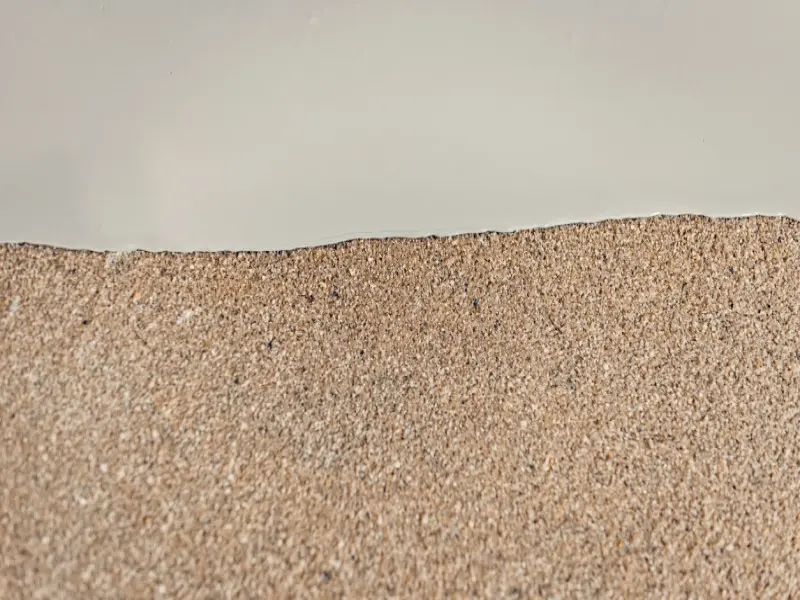
Sealed concrete involves applying a protective layer over the concrete surface. This sealer acts as a barrier against moisture, stains, oil, and wear, enhancing the floor’s durability and appearance. Sealed concrete can be clear or tinted, providing a subtle sheen or matte finish.
Benefits of Sealed Concrete
- Durability: The sealer protects against abrasions, chemicals, and moisture.
- Low Maintenance: Cleaning sealed concrete is easy—usually requiring only sweeping and occasional mopping.
- Cost-Effective: Sealing is generally less expensive than decorative concrete finishes.
- Versatility: Works well for garages, basements, commercial spaces, and outdoor areas.
Common Applications
Sealed concrete is ideal for high-traffic areas such as garages and warehouses. It’s also popular for patios and driveways, where exposure to the elements is a concern. For more details on sealed concrete, visit this resource on sealed concrete finishes.
What Is Stained Concrete?
Stained concrete involves applying a chemical stain or dye to the concrete surface. The stain penetrates the concrete, creating rich, translucent color effects that mimic natural stone, leather, or even wood. Stained concrete is often sealed afterward to protect the color and surface.
Benefits of Stained Concrete
- Decorative Appeal: Offers a wide range of colors and artistic effects.
- Permanent Color: The stain chemically bonds with the concrete, making the color long-lasting.
- Customization: Patterns, borders, and logos can be incorporated for a personalized look.
- Value Enhancement: Enhances the visual appeal of both residential and commercial properties.
Common Applications
Stained concrete is popular in living rooms, kitchens, retail spaces, and showrooms. It’s also used outdoors for patios and pool decks. For inspiration and more information, visit this stained concrete page.
Comparing Sealed Concrete vs Stained Concrete
Choosing between sealed and stained concrete depends on your priorities, budget, and desired look. The following table summarizes key differences:
| Feature | Sealed Concrete | Stained Concrete |
|---|---|---|
| Appearance | Natural or tinted, subtle finish | Rich colors, artistic patterns |
| Protection | Strong barrier against water, oil, chemicals | Needs sealer for protection after staining |
| Maintenance | Minimal; sweep and mop | Similar; resealing may be needed to preserve color |
| Cost | Lower initial investment | Higher due to staining and sealing steps |
| Customization | Limited | Extensive (patterns, borders, logos) |
| Durability | Excellent for heavy use | Good, but color can fade without maintenance |
| Slip Resistance | Can be enhanced with additives | Can be enhanced with additives |
When Should You Choose Sealed Concrete?
Sealed concrete is a practical choice for areas where durability and ease of maintenance are priorities. It is especially suitable for:
- Garages: Resistant to oil spills, tire marks, and chemical exposure.
- Warehouses: Handles heavy equipment and frequent foot traffic.
- Outdoor Patios and Driveways: Protects against moisture, freeze-thaw cycles, and UV rays.
For more details about the benefits and process, refer to sealed concrete services in Montgomery.
When Is Stained Concrete the Better Option?
Stained concrete is ideal for those seeking a unique, decorative finish. Consider stained concrete for:
- Living Spaces: Adds warmth and color to interiors.
- Retail and Hospitality: Creates a visually engaging atmosphere.
- Patios and Pool Decks: Enhances outdoor aesthetics.
To see examples of stained concrete projects, explore this stained concrete gallery.
Installation Process: What to Expect
Sealed Concrete Installation
- Cleaning: The surface is cleaned and any existing coatings removed.
- Repairs: Cracks and imperfections are patched.
- Application: The sealer is applied using rollers or sprayers.
- Curing: The floor is left to cure, which can take several hours to a day.
Stained Concrete Installation
- Preparation: The floor is cleaned and prepped.
- Staining: Chemical stains or dyes are applied in the desired pattern.
- Neutralizing: Acid-based stains are neutralized and rinsed.
- Sealing: A protective sealer is applied to lock in the color.
Maintenance Requirements
Both sealed and stained concrete are relatively low-maintenance, but there are some differences to consider:
- Sealed Concrete: Sweep regularly and mop with mild detergent. Reapply sealer every 2–5 years, depending on traffic.
- Stained Concrete: Similar cleaning routine. Reseal every 1–3 years to maintain color vibrancy and surface protection.
Cost Comparison: Sealed Concrete vs Stained Concrete
Cost is a significant factor for many homeowners. Here’s a general breakdown:
- Sealed Concrete: Typically costs less per square foot. The process is straightforward and quick.
- Stained Concrete: Higher upfront cost due to additional steps and materials. Custom patterns or multiple colors can increase the price.
For a personalized quote in Montgomery, visit the Epoxy Garage Floors Montgomery website.
Which Is Better for Montgomery’s Climate?
Montgomery’s climate features hot summers and mild winters, with moderate rainfall. Sealed concrete is especially effective in protecting floors from moisture and temperature fluctuations. Stained concrete, when properly sealed, also performs well outdoors, but regular maintenance is necessary to preserve the finish in humid conditions.
Frequently Asked Questions
Is sealed concrete slippery?
Sealed concrete can be slippery when wet, but slip-resistant additives can be included in the sealer to improve traction.
Does stained concrete fade?
With proper sealing and maintenance, stained concrete retains its color for many years. However, direct sunlight and heavy wear may cause gradual fading if not resealed regularly.
Can I combine both finishes?
Yes. Many homeowners choose to stain their concrete and then apply a sealer for added protection and shine. This approach combines the decorative appeal of staining with the durability of sealing.
How long do sealed and stained concrete floors last?
Both finishes can last decades with routine care. The lifespan depends on traffic, exposure, and maintenance practices.
Choosing the Right Contractor in Montgomery
Proper installation is key to maximizing the benefits of sealed or stained concrete. Working with experienced professionals ensures the job is done right the first time. If you’re considering an upgrade for your garage, patio, or interior floors, explore Epoxy Garage Floors Montgomery for expert advice and high-quality service.
Summary Table: Sealed Concrete vs Stained Concrete
| Criteria | Sealed Concrete | Stained Concrete |
|---|---|---|
| Best For | Garages, warehouses, driveways | Living areas, showrooms, patios |
| Main Benefit | Durability, protection | Decorative, customizable |
| Average Lifespan | 10–20 years | 10–15 years |
| Resealing Frequency | Every 2–5 years | Every 1–3 years |
| Initial Cost | Lower | Higher |
For more information or to request a quote for your home or business, visit the Epoxy Garage Floors Montgomery main page. To learn more about specific finishes, browse the detailed sections on sealed concrete and stained concrete options.