
Introduction to Conventional Septic Systems
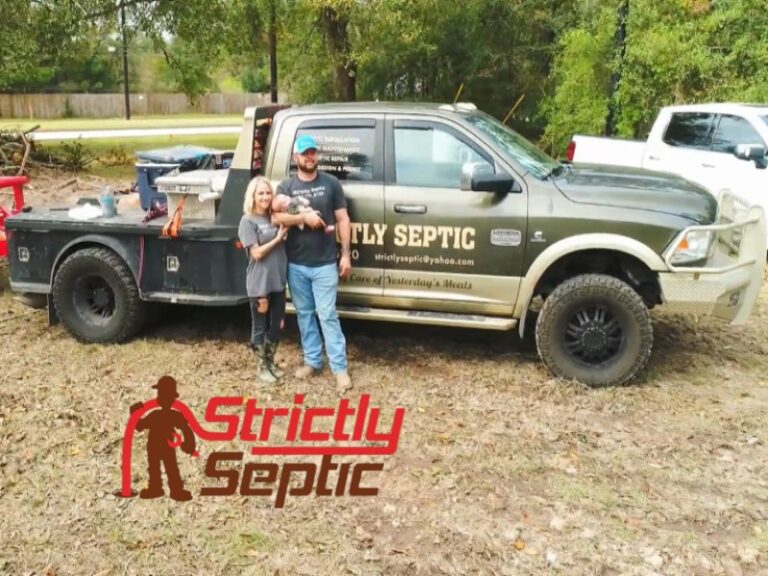
Conventional septic systems are a foundational component of wastewater management for many homes and businesses that are not connected to municipal sewer lines. Strictly Septic, a trusted provider in Texas, specializes in the installation, maintenance, and repair of these systems. This guide explores how conventional septic systems work, their components, maintenance practices, and why choosing the right professional matters.
What Is a Conventional Septic System?
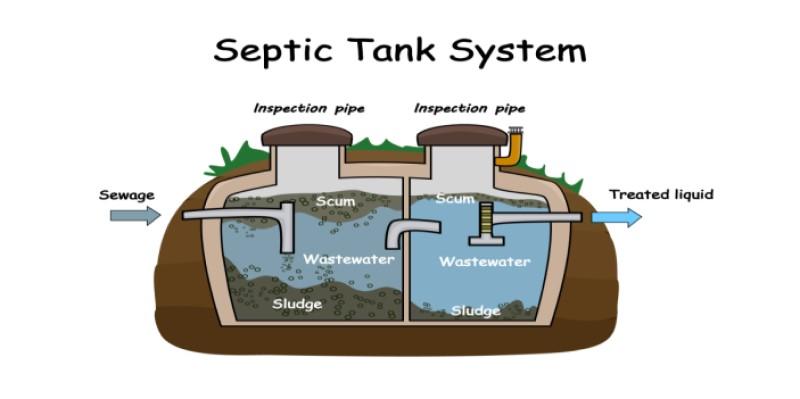
A conventional septic system is a decentralized wastewater treatment structure commonly used in rural and suburban areas. It typically consists of two main parts: a septic tank and a drainfield, also known as a leach field. Wastewater from the property flows into the septic tank, where solids settle and liquid effluent moves on to the drainfield for further treatment by the soil.
Core Components of Conventional Septic Systems
- Septic Tank: This watertight container holds wastewater long enough for solids to settle and scum to float. Anaerobic bacteria break down some of the solids.
- Drainfield (Leach Field): A network of perforated pipes buried in trenches allows pre-treated wastewater to disperse into the soil for natural filtration.
- Soil: The final treatment and disposal of effluent occurs here, as soil microbes digest and remove contaminants.
How Conventional Septic Systems Work
The process begins when wastewater from toilets, sinks, and appliances leaves the home and enters the septic tank. Heavier solids settle to the bottom, forming sludge, while lighter materials like oils float to the top as scum. The clarified liquid, or effluent, flows out to the drainfield, where it is distributed through perforated pipes. As the effluent percolates through the soil, natural filtration removes harmful bacteria, viruses, and nutrients.
Stages of Wastewater Treatment
- Separation: Solids and scum are separated in the septic tank.
- Partial Decomposition: Bacteria break down some organic matter in the tank.
- Effluent Dispersal: Liquid effluent is distributed to the drainfield.
- Soil Filtration: Soil microbes further treat the effluent as it seeps into the ground.
Benefits of Conventional Septic Systems
Conventional septic systems offer several advantages for property owners:
- Cost-Effective: Installation and maintenance are generally less expensive than advanced treatment systems.
- Simple Design: Fewer mechanical parts mean lower chances of equipment failure.
- Environmental Protection: Properly maintained systems protect groundwater and surface water from contamination.
- Longevity: With regular care, systems can last for decades.
Common Problems and Their Solutions
Like any system, conventional septic systems can encounter issues. Recognizing these problems early helps prevent costly repairs:
| Problem | Possible Cause | Solution |
|---|---|---|
| Slow drains or backups | Clogged pipes, full tank, drainfield failure | Pump tank, inspect for clogs, repair drainfield |
| Odors around tank or drainfield | Poor ventilation, overfull tank, leaks | Check vents, pump tank, fix leaks |
| Standing water in yard | Drainfield saturation, excessive water use | Reduce water use, repair drainfield |
| Lush green grass over drainfield | Effluent surfacing, system overload | Inspect system, limit water input |
Maintenance Tips for Conventional Septic Systems
Regular maintenance is key for reliable performance and long system life. Here are some tips from Strictly Septic:
- Pump the Tank: Have the septic tank pumped every 3–5 years, or as recommended.
- Inspect Components: Schedule inspections to check for leaks, cracks, or worn parts.
- Water Conservation: Fix leaks and use water-efficient fixtures to reduce system load.
- Protect the Drainfield: Keep vehicles and heavy equipment off the drainfield area.
- Avoid Chemicals: Limit use of harsh chemicals and avoid flushing non-biodegradable items.
Signs Your Septic System Needs Attention
- Gurgling sounds in plumbing
- Water pooling in the yard
- Unpleasant odors near the tank or drainfield
- Slow draining sinks or toilets
If you notice any of these signs, contact a professional for a thorough assessment.
Choosing the Right Septic Service Provider
Working with an experienced provider like Strictly Septic ensures your conventional septic system is installed and maintained according to state and local regulations. Their expertise covers all aspects of septic system care, including site evaluation, permitting, installation, and repairs.
Services Offered by Strictly Septic
- New system installations
- Routine pumping and cleaning
- Inspections and diagnostics
- Repairs and component replacements
- Drainfield restoration
For more detailed information about conventional septic system solutions, visit the dedicated page on conventional septic systems.
Differences Between Conventional and Alternative Septic Systems
While conventional septic systems are common, there are other types suited for properties with challenging site conditions. Here is a comparison:
| System Type | Best For | Key Features |
|---|---|---|
| Conventional | Homes with good soil drainage | Simple design, requires adequate space |
| Aerobic Treatment Unit | Poor soil, small lots | Uses oxygen for treatment, more mechanical parts |
| Low-Pressure Dosing | Shallow soils, rocky areas | Pressurized distribution of effluent |
| Mound System | High water table, shallow bedrock | Sand mound built above ground for filtration |
Each type has its own pros and cons. The septic systems overview from Strictly Septic provides further guidance for choosing the right system.
Frequently Asked Questions About Conventional Septic Systems
How often should a septic tank be pumped?
Most tanks should be pumped every 3–5 years. The actual frequency depends on tank size, household size, and water usage habits.
Can I use household cleaners with a septic system?
Moderate use of household cleaners is generally safe, but overuse or disposal of harsh chemicals can disrupt the bacterial balance in the tank.
What should not be flushed or poured down the drain?
- Wipes, diapers, and feminine hygiene products
- Grease, fats, and oils
- Pesticides and paint
- Medications
How can I extend the life of my septic system?
Follow maintenance guidelines, conserve water, and avoid overloading the system with non-biodegradable items or chemicals.
Regulations and Permitting in Texas
In Texas, conventional septic systems must comply with state and local regulations. Permits are required for new installations and major repairs. Strictly Septic assists clients with the permitting process, ensuring all systems meet code and environmental standards.
Innovations and Trends in Septic System Technology
Advancements in septic system technology continue to improve efficiency and environmental protection. Some trends include:
- Water-saving fixtures: Reducing household water use eases the load on septic systems.
- Smart monitoring: Sensors and alarms help detect issues early, minimizing damage and repair costs.
- Improved filtration: New materials and designs enhance effluent treatment in the drainfield.
When to Replace a Conventional Septic System
Replacement may be necessary if the system experiences repeated failures, the drainfield is saturated beyond repair, or if regulations require an upgrade. Strictly Septic provides comprehensive assessments and replacement services tailored to each property’s needs.
Contact Strictly Septic for Expert Assistance
Whether you need a new installation, routine maintenance, or a system upgrade, Strictly Septic delivers reliable service and expert advice. For more detailed guidance on conventional septic systems or to explore additional options, visit their septic systems resource page.