What Is Anti-Bacterial Epoxy Flooring?
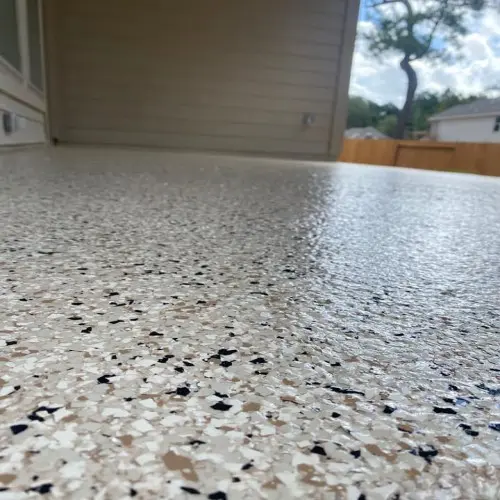
Anti-bacterial epoxy flooring is a specialized surface coating designed to inhibit the growth of bacteria, mold, and other harmful microorganisms. This flooring system utilizes advanced epoxy resins combined with anti-microbial additives, creating a surface that is not only durable but also hygienic. Used in both residential and commercial settings, this flooring solution is gaining popularity for its ability to maintain a cleaner environment and reduce the risk of contamination.
How Does Anti-Bacterial Epoxy Flooring Work?
The effectiveness of anti-bacterial epoxy flooring lies in its formulation. Epoxy resins are mixed with anti-microbial agents that actively prevent the colonization and growth of bacteria. These agents are evenly distributed throughout the flooring, ensuring long-lasting protection. When applied, the result is a seamless, non-porous surface that is easy to clean and disinfect, making it an excellent choice for areas where hygiene is a priority.
Benefits of Anti-Bacterial Epoxy Flooring for Your Home or Business
- Enhanced Hygiene: The anti-microbial properties help maintain a healthier environment, reducing the risk of bacteria-related illnesses.
- Easy Maintenance: The smooth, non-porous surface resists staining and is easy to clean, requiring minimal effort to keep it looking new.
- Durability: Epoxy flooring is known for its strength and resistance to wear, making it suitable for high-traffic areas.
- Cost-Effective: The long lifespan and low maintenance needs can lead to significant savings over time.
- Customizable: Available in a variety of colors and finishes to match the aesthetic of any space.
Where Can You Use Anti-Bacterial Epoxy Flooring?
Anti-bacterial epoxy flooring is suitable for a wide range of environments. In homes, it’s often used in kitchens, bathrooms, and garages. In businesses, it’s ideal for commercial kitchens, hospitals, laboratories, schools, and warehouses. The versatility and safety features make it an attractive option for anyone looking to improve hygiene standards.
Residential Applications
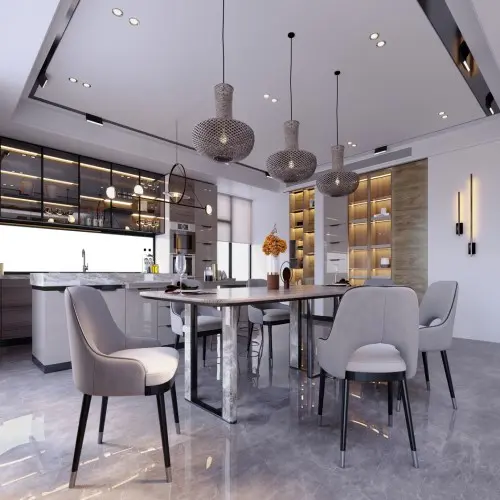
In residential settings, anti-bacterial epoxy flooring is especially beneficial in areas prone to moisture and spills. Kitchen floors are a common choice, as the flooring resists both stains and microbial growth, ensuring a safe food preparation area. Basements and garages also benefit from this flooring due to its resistance to water and chemicals.
Commercial Applications
For businesses, particularly those in the food service or healthcare industries, maintaining strict hygiene standards is essential. Commercial epoxy flooring solutions provide seamless coverage, reducing the risk of bacteria hiding in cracks or grout lines. This makes it easier to comply with health regulations and create a safer environment for both employees and customers.
Comparing Anti-Bacterial Epoxy Flooring to Other Flooring Types
| Flooring Type | Anti-Bacterial Properties | Durability | Maintenance | Best Use |
|---|---|---|---|---|
| Anti-Bacterial Epoxy | Excellent | High | Low | Homes, kitchens, hospitals, garages |
| Ceramic Tile | Moderate | Moderate | Moderate | Bathrooms, kitchens |
| Vinyl | Low | Moderate | Low | Offices, retail |
| Concrete | Low | High | Moderate | Warehouses, garages |
Why Choose Epoxy Garage Floors Montgomery?
Epoxy Garage Floors Montgomery specializes in the installation of high-quality anti-bacterial epoxy flooring for your home or business. Their team uses advanced materials and techniques to deliver seamless, long-lasting results. By choosing a professional installation, you ensure that the anti-bacterial properties are maximized and the finish is both attractive and functional.
Installation Process: What to Expect
The installation of anti-bacterial epoxy flooring involves several steps to ensure optimal performance and durability. Here’s a typical process:
- Surface Preparation: The existing floor is cleaned and prepared, often by grinding or shot blasting, to ensure proper adhesion.
- Priming: A primer coat is applied to seal the surface and improve the bond of the epoxy.
- Epoxy Application: The anti-bacterial epoxy resin is mixed and applied evenly across the surface.
- Finishing: A topcoat may be added for extra durability and to achieve the desired finish.
- Curing: The floor is allowed to cure, creating a hard, seamless, and hygienic surface.
Maintenance Tips for Anti-Bacterial Epoxy Flooring
One of the main advantages of anti-bacterial epoxy flooring is its low maintenance requirements. To keep your floors in excellent condition:
- Sweep or vacuum regularly to remove dust and debris.
- Mop with a mild detergent and water; avoid harsh chemicals that could damage the surface.
- Wipe up spills promptly to prevent staining.
- Inspect periodically for signs of wear and reapply topcoat if needed.
Industries That Benefit Most from Anti-Bacterial Epoxy Flooring
Many industries require a high level of cleanliness and benefit significantly from installing anti-bacterial epoxy flooring. These include:
- Healthcare: Hospitals, clinics, and laboratories use anti-bacterial epoxy floors to prevent the spread of infection.
- Food Service: Restaurants and commercial kitchens rely on these floors for easy cleaning and compliance with health codes. Explore more about kitchen floor solutions.
- Education: Schools and daycare centers use them to maintain a healthy environment for children.
- Manufacturing: Factories and warehouses benefit from both the durability and hygiene offered by epoxy flooring.
Customization Options for Anti-Bacterial Epoxy Flooring
Anti-bacterial epoxy flooring can be tailored to match the needs and style of your space. Options include:
- Colors and Finishes: Choose from a wide range of colors, patterns, and finishes to complement your decor.
- Slip Resistance: Additives can be included to increase traction, making the floor safer in wet areas.
- Logos and Markings: Custom designs, such as company logos or safety markings, can be embedded into the floor.
- Gloss Levels: Select from high-gloss, matte, or satin finishes to achieve the desired look.
Frequently Asked Questions About Anti-Bacterial Epoxy Flooring
How long does anti-bacterial epoxy flooring last?
With proper installation and care, anti-bacterial epoxy flooring can last 10-20 years or more, even in high-traffic areas.
Is anti-bacterial epoxy flooring safe for homes with pets and children?
Yes, the flooring is non-toxic once cured and provides a safe, easy-to-clean surface for families and pets.
Can anti-bacterial epoxy flooring be installed over existing floors?
In most cases, yes. As long as the existing floor is sound and properly prepared, epoxy can be applied over concrete, tile, or even some wood floors.
Does the anti-bacterial property wear off over time?
The anti-microbial agents are embedded within the epoxy, offering long-lasting protection. However, regular maintenance helps preserve their effectiveness.
Why Epoxy Garage Floors Montgomery Is a Preferred Choice
With their expertise in epoxy flooring and commitment to quality, Epoxy Garage Floors Montgomery delivers results that meet the hygiene and durability needs of both homeowners and businesses. Their solutions are trusted across a range of industries, providing peace of mind and a cleaner environment.
Contact Epoxy Garage Floors Montgomery
If you are considering upgrading to anti-bacterial epoxy flooring for your home or business, the team at Epoxy Garage Floors Montgomery is ready to help. Explore their services for commercial spaces or discover more about their kitchen floor offerings. Visit their epoxy flooring page to learn more about the benefits and customization options available.